Breaking News
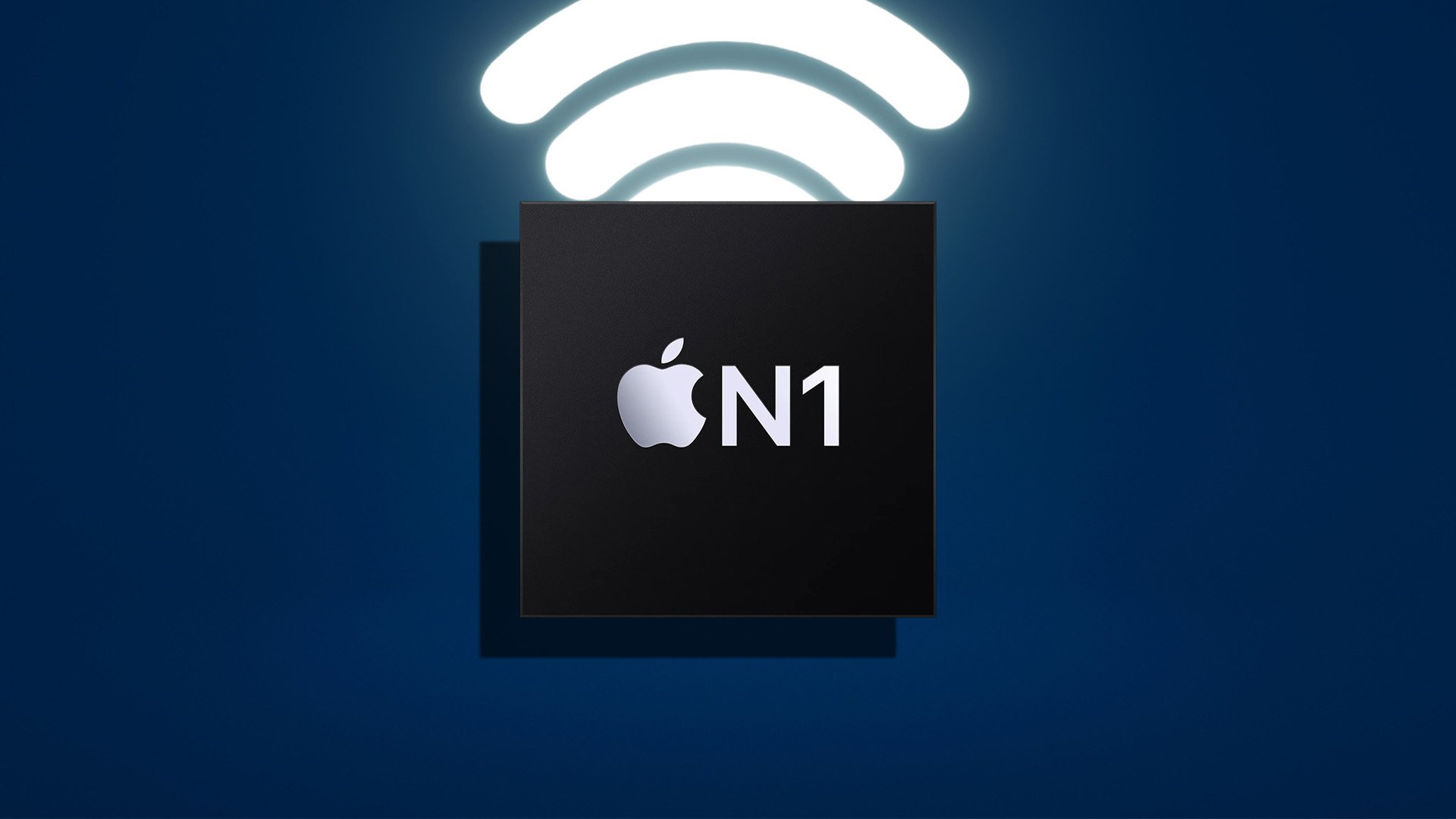
Apple's first custom networking chip, the N1, is delivering substantial real-world Wi-Fi performance improvements in the iPhone 17 family, according to a comprehensive new study from network diagnostics company Ookla. The research reveals that Apple's in-house silicon represents a significant step forward from the Broadcom-based solution used in previous iPhone models.
The findings, based on global crowdsourced Speedtest Intelligence® data collected during the six weeks after the iPhone 17 launch, show material performance gains that push Apple's latest smartphones ahead of many Android flagship devices in Wi-Fi performance metrics.
Performance Results
| Global Median Download Speed | 329.56 Mbps (iPhone 17) vs. 236.46 Mbps (iPhone 16) |
| Global Median Upload Speed | 103.26 Mbps (iPhone 17) vs. 73.68 Mbps (iPhone 16) |
| Performance Improvement | 40% faster download and upload speeds globally |
| Weak Signal Performance | Over 60% improvement in challenging conditions |
| North America Performance | 416.14 Mbps (iPhone 17) vs. 323.69 Mbps (iPhone 16) |
Competitive Landscape
| Google Pixel 10 Pro | 335.33 Mbps global median download speed |
| iPhone 17 Family | 329.56 Mbps global median download speed |
| Xiaomi 15T Pro | ~300 Mbps estimated global median download |
| Samsung Galaxy S25 | ~290 Mbps estimated global median download |
| iPhone 16 Family | 236.46 Mbps global median download speed |
Technical Analysis
| Chipset Architecture | Apple's first custom networking silicon |
| Wi-Fi Support | Wi-Fi 7 with 160 MHz channels |
| Key Limitation | No 320 MHz channel support (unlike some Android flagships) |
| Real-World Impact | Minimal due to limited 320 MHz router adoption |
| Regional Performance | Singapore (613.80 Mbps) and France (601.46 Mbps) lead |
Strategic Implications
Apple describes the N1's advantages as stemming from "tighter hardware-software integration" rather than pure specification improvements. This approach mirrors Apple's successful transition to custom CPU and GPU designs, suggesting the company is pursuing full ownership of the wireless stack with similar determination.
The successful deployment of the N1 chip represents another milestone in Apple's multi-year plan to bring the last major piece of the iPhone's wireless stack in-house. By moving off Broadcom-supplied parts, Apple gains tighter control over mission-critical silicon, reduces supplier dependence and pricing exposure, and creates a reusable radio platform that can scale across iPhone, Mac, iPad, Watch and Home devices.
Conclusion
The Ookla study provides compelling evidence that Apple's first custom networking chip delivers meaningful real-world performance benefits. The N1's particular strength in challenging network conditions—with 10th percentile speeds over 60% higher than the iPhone 16 family—suggests Apple has prioritized consistency and reliability over peak theoretical performance.
While the lack of 320 MHz support may become more relevant as the Wi-Fi ecosystem matures, current real-world data indicates this limitation has minimal impact for most users. For consumers considering an upgrade to any of the iPhone 17 or iPhone Air models, the evidence suggests Wi-Fi performance will be substantially improved over previous generations.