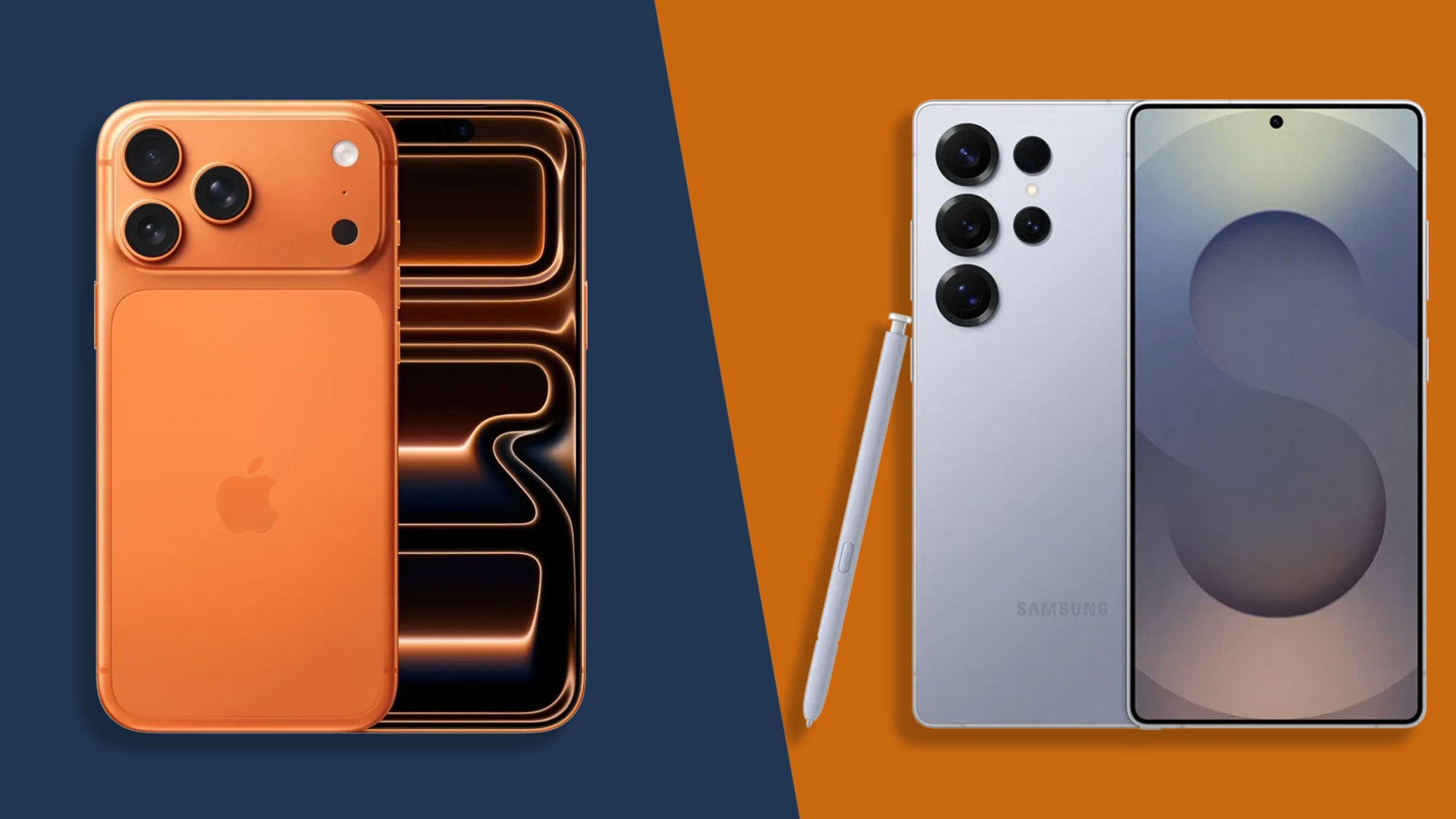
Samsung Gains Design Advantage for 2026 Flagships
New leaks reveal Galaxy S26 series will be both thinner and lighter than equivalent iPhone 17 models across the entire lineup
Design Battle Heats Up
In the ongoing battle for smartphone supremacy, Samsung appears to be gaining a significant design advantage for its 2026 flagship lineup. According to recent leaks from reputable tipster @UniverseIce, every model in the Galaxy S26 series will be both thinner and lighter than its direct iPhone 17 counterpart .
This design achievement comes as Samsung continues to refine its flagship smartphone formula while Apple has taken a different approach with the iPhone 17 series, which features slightly increased dimensions and weight compared to previous generations. The leaked specifications suggest Samsung is prioritizing ergonomics and in-hand feel for its next-generation devices .
Detailed Size & Weight Comparison
Base Models Samsung Advantage
Samsung: 13g lighter, 1.05mm thinner
Plus/Pro Models Samsung Advantage
Samsung: 13g lighter, 1.45mm thinner
Ultra/Pro Max Models Samsung Advantage
Samsung: 17g lighter, 0.85mm thinner
Design Philosophy Differences
The significant differences in dimensions and weight reflect the contrasting design philosophies of Samsung and Apple for their 2026 flagship lineups. Samsung appears to be following a "minimalistic upgrade tactic" that focuses on refinement rather than radical changes, allowing for reductions in size and weight without major internal compromises .
Meanwhile, Apple's iPhone 17 series features design changes that have resulted in increased dimensions. The iPhone 17 Pro models incorporate a larger camera system housing a 48MP telephoto camera, while also implementing design changes that Apple justifies as providing "a better user experience and enhanced features" . The standard iPhone 17 has grown to a 6.3-inch display, up from 6.1 inches in the previous generation, contributing to its increased dimensions .
Generation-over-Generation Changes
| Galaxy S26 vs S25 | iPhone 17 vs iPhone 16 | |
| Base Model Weight Change | +2g (162g to 164g) | +7g (170g to 177g) |
| Base Model Thickness Change | -0.3mm (7.2mm to 6.9mm) | +0.14mm (7.81mm to 7.95mm) |
| Ultra/Pro Max Weight Change | -4g (218g to 214g) | +6g (225g to 231g) |
| Ultra/Pro Max Thickness Change | -0.3mm (8.2mm to 7.9mm) | +0.15mm (8.6mm to 8.75mm) |
Market Context & Implications
This design advantage comes at a crucial time for Samsung, as the company faces increasing component costs that are putting pressure on profitability. Despite these challenges, Samsung seems committed to delivering design refinements that enhance the user experience .
Interestingly, the pursuit of ultra-thin designs appears to have mixed market reception. Reports suggest that Samsung canceled plans for a Galaxy S26 Edge, while Apple's ultra-thin iPhone Air hasn't been selling particularly well, indicating that consumers may prioritize other factors over extreme thinness .
What This Means for Consumers
For consumers choosing between 2026 flagships, the Galaxy S26 series' thinner and lighter designs could provide a noticeable advantage in daily usability, particularly for those who prioritize comfort during extended use. The reductions in weight and thickness, while seemingly small in specification sheets, often translate to significantly improved in-hand feel and pocketability.
However, it's worth noting that these design advantages might come with trade-offs. Early rumors suggest the Galaxy S26 series will feature largely incremental upgrades to internal specifications, with battery capacities expected to remain similar to the previous generation . As with all early leaks, these specifications should be treated as preliminary until officially confirmed by Samsung, expected at their Galaxy Unpacked event in February 2026 .