What is Google Bard?
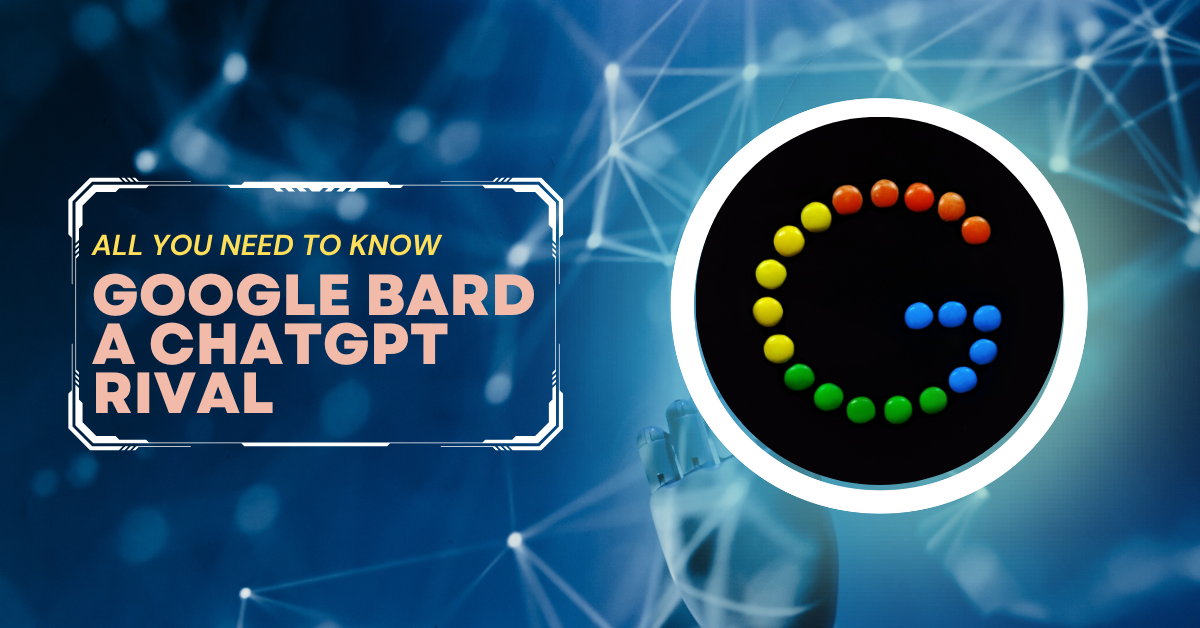
Google Bard, now rebranded as Gemini, represents Google's ambitious entry into the conversational AI landscape, positioned as a direct competitor to OpenAI's ChatGPT. Initially powered by Google's LaMDA (Language Model for Dialogue Applications) and later upgraded to the more advanced PaLM model, Bard was designed to combine the breadth of the world's knowledge with the power, intelligence, and creativity of large language models.
Unlike traditional search engines that provide lists of links, Bard aims to provide conversational, contextual responses that feel more human-like and natural. The service draws on information from the web to provide fresh, high-quality responses, making it particularly valuable for tasks requiring current information or creative assistance.
Key Features and Capabilities
Real-time Information Access
One of Bard's standout features is its ability to access current web information, providing up-to-date responses compared to ChatGPT's knowledge cutoff dates. This makes it particularly valuable for current events, recent news, and trending topics.
Google Ecosystem Integration
Bard seamlessly integrates with Google's suite of products including Docs, Gmail, Drive, and Calendar. This allows users to perform tasks like summarizing documents, drafting emails, or managing schedules through natural language commands.
Voice Command Support
With support for voice commands through "Hey Bard," users can interact with the AI assistant without typing, making it accessible while multitasking or for users with disabilities. The system adapts to individual speech patterns over time.
Advanced Coding Assistance
Bard supports more than 20 programming languages, helping developers write code, debug applications, and solve technical problems. It can generate code with comments and provide optimization suggestions.
Multilingual Support
The platform supports over 40 languages for translation and conversation, though its performance may vary across different languages and cultural contexts.
Creative Content Generation
From poems and stories to marketing copy and technical documents, Bard can generate various creative text formats while adapting to specific tones, styles, and formatting requirements.
The Evolution of Google Bard to Gemini
Initial Announcement
Google announced Bard as an experimental conversational AI service powered by LaMDA, positioning it as a complement to traditional search. The announcement came amid growing competition from OpenAI's ChatGPT.
Limited Public Release
Bard launched to trusted testers and gradually expanded to users in the US and UK. Early versions faced challenges with factual accuracy, notably during a demo where it provided incorrect information about the James Webb Space Telescope.
Major Expansion and PaLM Integration
Google integrated the more powerful PaLM 2 model, expanded to 180 countries, and added new features including coding capabilities and integration with Google apps.
Rebranding to Gemini
Google unified its AI offerings under the Gemini brand, eliminating confusion between the chatbot (Bard) and its underlying language model. This marked a strategic shift toward a cohesive AI ecosystem.
Advanced Model Releases
Gemini introduced progressively more capable models including Gemini 2.5 Flash, Gemini 2.5 Pro, and eventually Gemini 3 in November 2025, featuring improved reasoning, multimodal capabilities, and expanded context windows.
Bard vs ChatGPT: Key Differences
Information Access and Timeliness
Bard/Gemini: Accesses real-time web information, providing current data and recent developments. This makes it superior for queries requiring up-to-date information.
ChatGPT: Initially limited by training data cutoffs, though later versions gained web access capabilities. The free version traditionally had more restricted current information access.
Integration and Ecosystem
Bard/Gemini: Deeply integrated with Google's ecosystem including Workspace apps, Android, and Google Cloud services. This creates a seamless experience for users already invested in Google's ecosystem.
ChatGPT: Integrates with Microsoft's ecosystem including Office tools and Azure, with extensive third-party plugin support.
Pricing and Accessibility
Bard/Gemini: Free basic version with advanced features available through Google AI Pro subscription (approximately $20/month). Students often get free access to premium features.
ChatGPT: Free basic version with ChatGPT Plus subscription available for $20/month, offering advanced features and priority access.
Technical Capabilities
Bard/Gemini: Features massive context windows (up to 1 million tokens in Gemini 2.5/3), enabling analysis of extensive documents and complex multi-step tasks.
ChatGPT: Strong creative writing capabilities and generally produces more fluent, detailed responses for complex textual tasks.
Current Status and Future Outlook
As of 2025, Google's AI offering has evolved significantly from its initial Bard incarnation to the comprehensive Gemini platform. The latest Gemini 3 model, released in November 2025, represents Google's most advanced AI system yet, featuring improved reasoning capabilities, better multimodal understanding, and more sophisticated conversational abilities.
The platform now serves as Google's central AI hub, integrating chat capabilities, advanced research tools, creative assistants, and productivity features across Google's ecosystem. With features like Gemini Agent for automated task completion, visual layout for interactive responses, and deep integration with Android Auto and other Google services, Gemini has transformed from a simple chatbot into a comprehensive AI assistant.
Looking forward, Google continues to invest heavily in AI development, with ongoing improvements to model accuracy, reduction of biases, expansion of multimodal capabilities, and deeper ecosystem integration. The competition between Google's Gemini and OpenAI's ChatGPT continues to drive rapid innovation in the AI space, benefiting users with increasingly capable and accessible AI tools.
Practical Applications and Use Cases
Content Creation and Writing
Bard/Gemini excels at generating various content types including blog posts, marketing copy, technical documentation, and creative writing. Its integration with Google Docs allows seamless content creation within existing workflows.
Research and Learning
With access to current web information and the ability to summarize complex topics, Bard serves as a powerful research assistant. Students can use it to understand difficult concepts, while professionals can leverage it for market research and competitive analysis.
Programming and Technical Tasks
Support for multiple programming languages makes Bard valuable for developers needing coding assistance, debugging help, or explanations of technical concepts. Its ability to understand and generate code with comments enhances productivity.
Productivity and Organization
Integration with Google Calendar, Gmail, and other productivity tools enables users to manage schedules, draft emails, and organize tasks through natural language commands.