Apple's iPhone 16 Maintains Global Sales Leadership
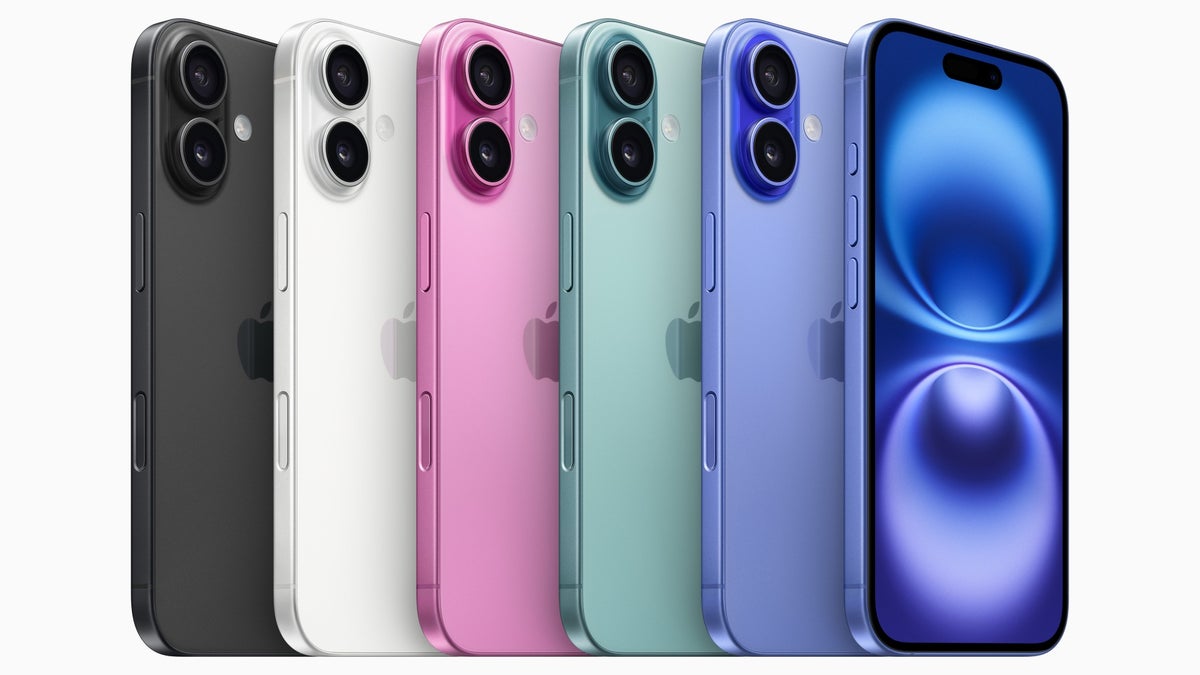
In a clear demonstration of sustained consumer demand, Apple's iPhone 16 has been named the world's best-selling smartphone for the third consecutive quarter in Q3 2025, according to the latest report from Counterpoint Research. The device captured a 4% volume share of the total global smartphone market, solidifying its position at the top of the rankings.
The broader market picture reveals a duopoly at the peak. Apple and Samsung split the top 10 best-selling smartphone list evenly, with each company claiming five spots. Together, these ten models accounted for a significant 20% of all smartphones sold worldwide during the quarter. This performance underscores the two giants' dominant positions, even as the overall market grew by 2.6% year-over-year.
A Tale of Two Strategies: The Q3 2025 Top 10 List
The latest rankings highlight the distinct market strategies of Apple and Samsung. Apple's strength was concentrated at the very top, securing the first four positions with its iPhone 16 series. Samsung, meanwhile, claimed the next five spots, showcasing the power of its volume-driven Galaxy A series.
Apple's Premium Dominance
Apple's lineup in the top 10 was overwhelmingly premium. The ranking order was: 1. iPhone 16, 2. iPhone 16 Pro, 3. iPhone 16 Pro Max, 4. iPhone 16e. Remarkably, the iPhone 17 Pro Max managed to secure the 10th position despite being available for only a limited time at the very end of the quarter, indicating exceptionally strong initial demand for the new flagship. Counterpoint notes that this early momentum aligns with data showing the iPhone 17 family outselling the iPhone 16 series at launch.
Samsung's Mid-Range Volume Play
In contrast, Samsung's presence on the list was built entirely on its affordable Galaxy A-series models, with not a single premium Galaxy S or Z series device making the cut. Samsung's entries, occupying positions 5 through 9, were: 5. Galaxy A16 5G, 6. Galaxy A06, 7. Galaxy A36, 8. Galaxy A56, and 9. Galaxy A16 4G. This reflects Samsung's successful strategy of targeting a broad range of price points and expanding 5G access into lower-cost segments.
Global Smartphone Market: Q3 2025 Vendor Overview
| Metric | Details |
| Overall Market Growth (YoY) | +2.6% (IDC Preliminary Data) |
| Top-Selling Model | Apple iPhone 16 (4% volume share) |
| Top 10 List Composition | Apple: 5 models, Samsung: 5 models |
| Key Market Driver | Upgrades from COVID-era purchases & aggressive promotions |
| Notable Trend | First Q3 where all top 5 models were 5G devices |
| Regional Highlights for iPhone | Sales boost in India (festive season), recovery in Japan |
| Samsung's Key Model | Galaxy A16 5G (best-selling Android smartphone) |
Drivers Behind the Numbers
What Propelled the iPhone 16's Success?
Several factors contributed to the iPhone 16's ability to maintain the top spot even as its successor launched. Counterpoint Research highlights a significant sales boost in India driven by festive promotions and a steady market recovery in Japan. These gains helped offset the typical seasonal decline expected before a new iPhone launch.
Furthermore, the report points to a major wave of upgrades from consumers who purchased smartphones during the peak COVID-19 years and are now seeking replacements. Aggressive carrier promotions in developed markets like the United States also played a key role in sustaining demand for the previous generation.
The Rise of 5G and AI in the Mid-Range
Q3 2025 marked a milestone with the top five best-selling models all being 5G devices, signaling the technology's transition to a standard consumer expectation. For Samsung, the integration of AI features—marketed as "Awesome Intelligence"—into its Galaxy A series is seen as a key sales driver, making these mid-range devices more competitive and bridging the user experience with flagship models.
The Broader Market and Future Outlook
While Apple and Samsung dominated the model-specific list, other players showed strength in overall shipments. According to IDC's preliminary data, Samsung led in global vendor shipments for Q3 2025 with a 19% share, followed closely by Apple at 18.2%. Chinese manufacturers like Xiaomi, Transsion, and vivo also recorded notable growth, particularly in emerging markets.
Looking ahead, analysts expect the trend of AI features boosting the mid-price segment to continue. The premium market, led by Apple, is also forecast to remain robust, driven by continuous innovation and compelling upgrade cycles. The strong debut of the iPhone 17 Pro Max in Q3 suggests Apple is well-positioned to carry its momentum into the final quarter of 2025 and beyond.
Final Analysis: A Market of Contrasts
The Q3 2025 sales data paints a picture of a healthy, growing smartphone market dominated by two players with contrasting yet highly effective strategies. Apple continues to command the premium segment, with consumers willing to pay for its ecosystem and brand strength, as evidenced by the iPhone 16's sustained leadership and the iPhone 17 Pro Max's explosive start.
Meanwhile, Samsung demonstrates the power of a broad, segmented portfolio, using its Galaxy A series to capture volume across multiple price points and regions. The complete absence of Samsung's flagships from the top 10, however, raises questions about the seasonal demand for its premium Galaxy S series as consumers await next-generation models.
Ultimately, the report confirms that in the global smartphone arena, the paths to success are diverse, but for Q3 2025, they all led through Apple's iPhone 16 and Samsung's Galaxy A series.