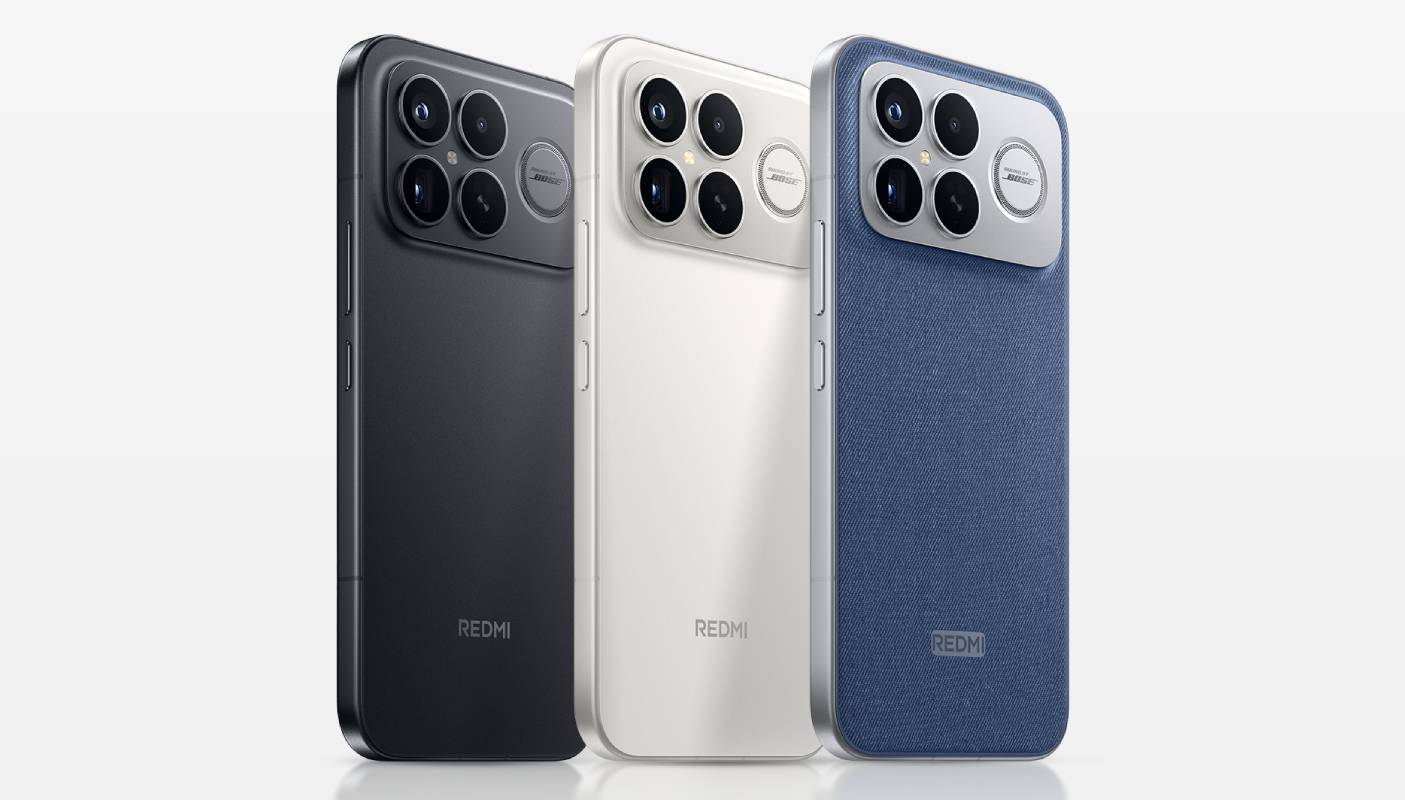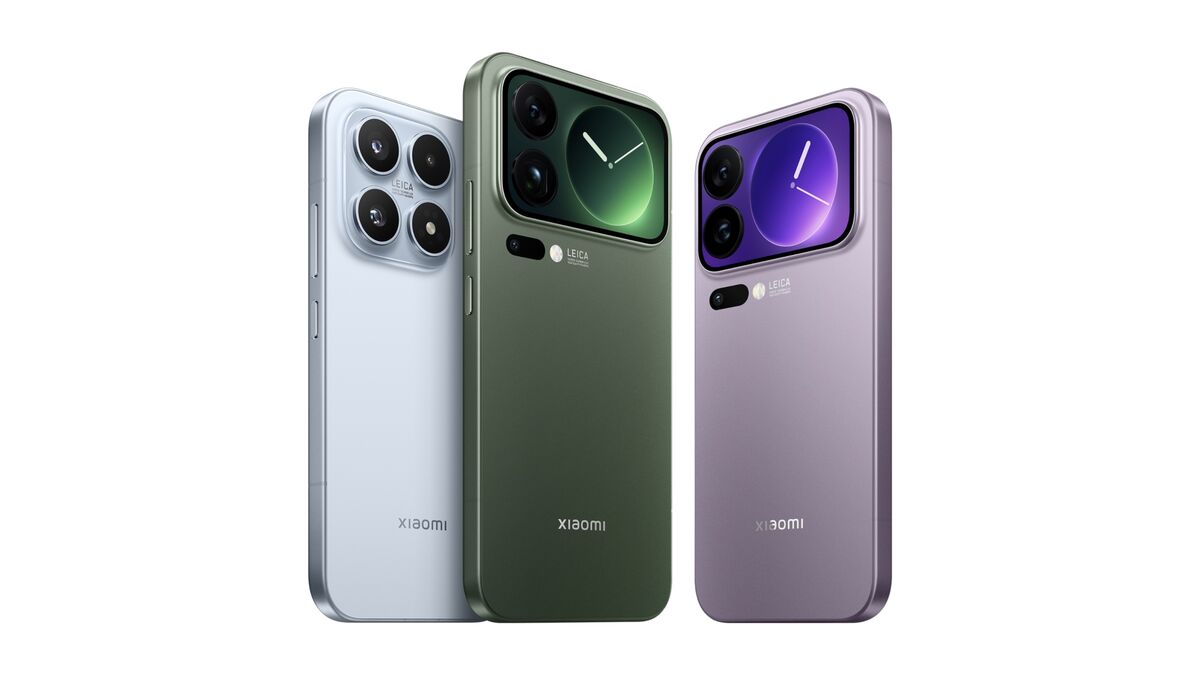
Xiaomi President Lu Weibing has issued a stark warning to consumers: smartphone prices are set to rise significantly in 2026 due to soaring memory chip costs and AI-driven component shortages. The announcement came during Xiaomi's third-quarter earnings call, where the company reported stronger-than-expected results but cautioned about upcoming market pressures .
"I expect pressure to be much heavier next year than this year," Lu stated. "Overall, consumers are likely to see a sizeable rise in product retail prices. Some of the pressure may have to be addressed through price hikes, but price increases alone won't be enough to digest it" .
⚠️ Immediate Industry Impact
This warning comes after Xiaomi already raised prices on its Redmi K90 flagship in October due to rising memory costs, with consumers expressing disappointment at the higher pricing . The situation is affecting the entire industry, with Samsung also evaluating Galaxy S26 pricing ahead of its February launch amid similar cost pressures .
The Root Cause: AI-Driven Memory Crunch
The primary driver behind the impending price increases is a fundamental shift in the memory chip market. Memory manufacturers like Samsung are deprioritizing production for smartphones in favor of the more lucrative data center and AI infrastructure markets . This has created a supply bottleneck for mobile memory chips, particularly LPDDR5X, which is critical for modern smartphones .
Lu Weibing noted that memory chip prices hit their low point in 2023, and the current surge is likely to be a longer-term trend. He expects new memory output may not arrive until 2027, noting that "demand is high within this cycle, but industry supply remains limited" .
DRAM Price Forecast
Q4 2025 price increase revision, up from earlier 8-13% forecast
Application Processor Costs
Year-on-year increase in Qualcomm AP expenses for Samsung
Smartphone Production
Revised 2026 global output forecast, down from +0.1% estimate
Memory Price Surge
Recent increases on certain Samsung memory chips
LPDDR5X: The Smartphone Memory Squeeze
The crisis particularly affects LPDDR5X memory, the high-performance, low-power DRAM essential for current-generation smartphones. As AI-driven demand for High Bandwidth Memory (HBM) continues to surge, manufacturers are allocating more wafer capacity to these larger, more profitable chips .
TrendForce reports that HBM die sizes are between 35% and 45% larger than comparable DRAM, significantly tightening available production capacity. The research firm has revised its Q4 2025 outlook for conventional DRAM pricing upward, noting "a strong likelihood of further upward revision" .
Broader Industry Implications
The memory price surge is creating a domino effect across the smartphone industry. Samsung, which is facing its own cost pressures, paid approximately 11 trillion won for application processors in Q3 alone . The company is now carefully evaluating Galaxy S26 pricing ahead of its expected February launch.
UBS has responded to the market conditions by lowering its 2026/2027 EPS forecasts for Xiaomi by 13%/5% respectively, "mainly reflecting the pressure on smartphone gross profit margins from higher memory costs and a conservative shipment outlook following an increase in average selling prices" .
Recent Price Increase Timeline
Xiaomi's Broader Performance Context
Despite the challenging outlook for smartphone costs, Xiaomi reported strong quarterly results. Q3 2025 revenue rose 22.3% to RMB 113.1 billion, with the company's electric vehicle unit posting a profit for the first time in a single quarter .
The EV business generated 28.3 billion yuan in revenue in the September quarter, up from 20.6 billion yuan in the second quarter, demonstrating the company's successful diversification beyond smartphones . Xiaomi delivered 108,796 EVs in the quarter as it began shipping its second model, the YU7 electric SUV .
What Consumers Can Expect
For smartphone buyers, the message is clear: the era of steadily increasing specifications at stable prices may be ending. As Lu Weibing cautioned, rising memory chip prices could squeeze smartphone vendors' profits and hit domestic players in China hardest. "Some companies will fall behind—or even exit the market," he reportedly warned .
TrendForce's revised forecasts reflect this pessimistic outlook, with 2026 global smartphone production now projected to decrease by 2% year-on-year, compared to an earlier estimate of a 0.1% increase . This represents a significant shift in market dynamics that could reshape the smartphone landscape throughout 2026 and beyond.
📈 The Bottom Line for Consumers
With memory manufacturers prioritizing AI and data center customers, smartphone component costs are rising dramatically. Consumers should prepare for higher prices across all segments in 2026, particularly for devices with advanced memory specifications. The industry-wide nature of these cost pressures means no manufacturer will be immune from making difficult pricing decisions in the coming year.