Overview
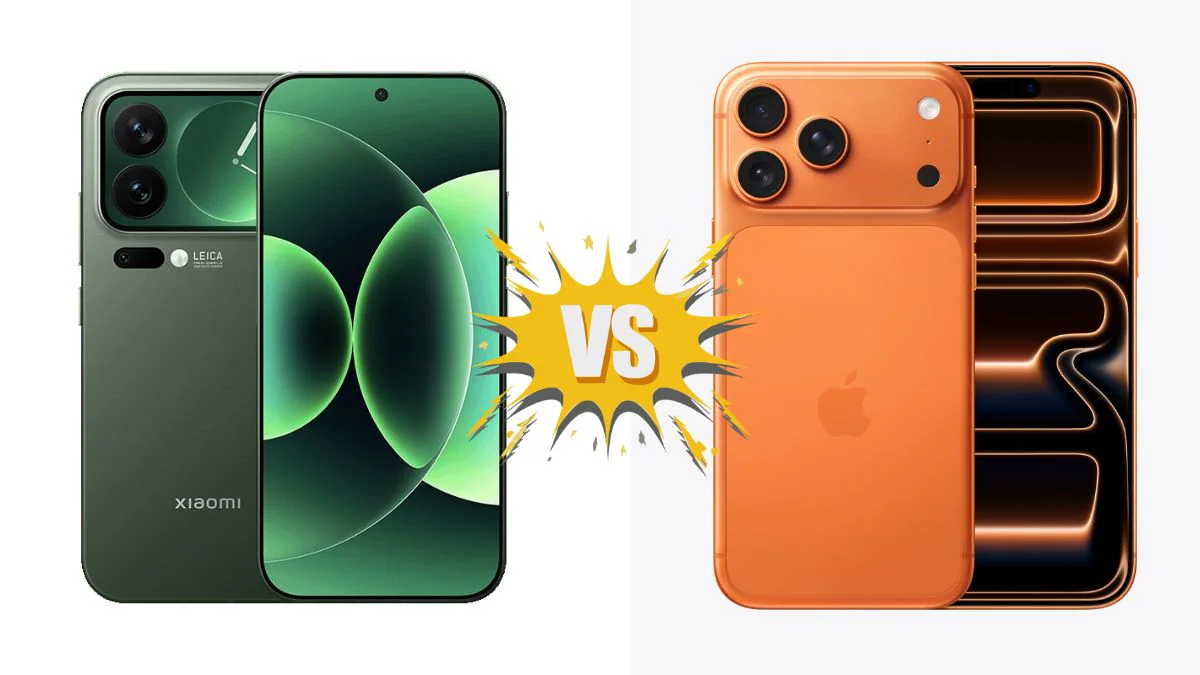
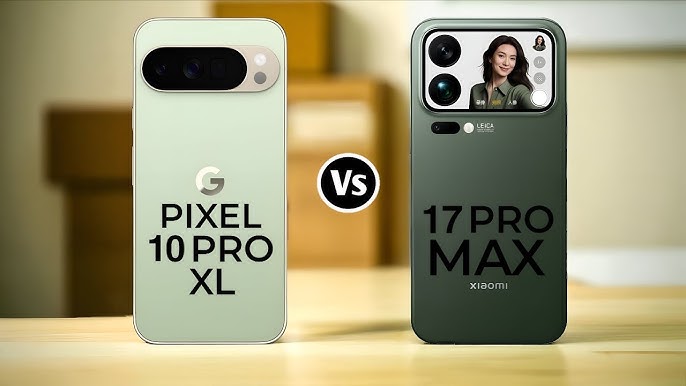
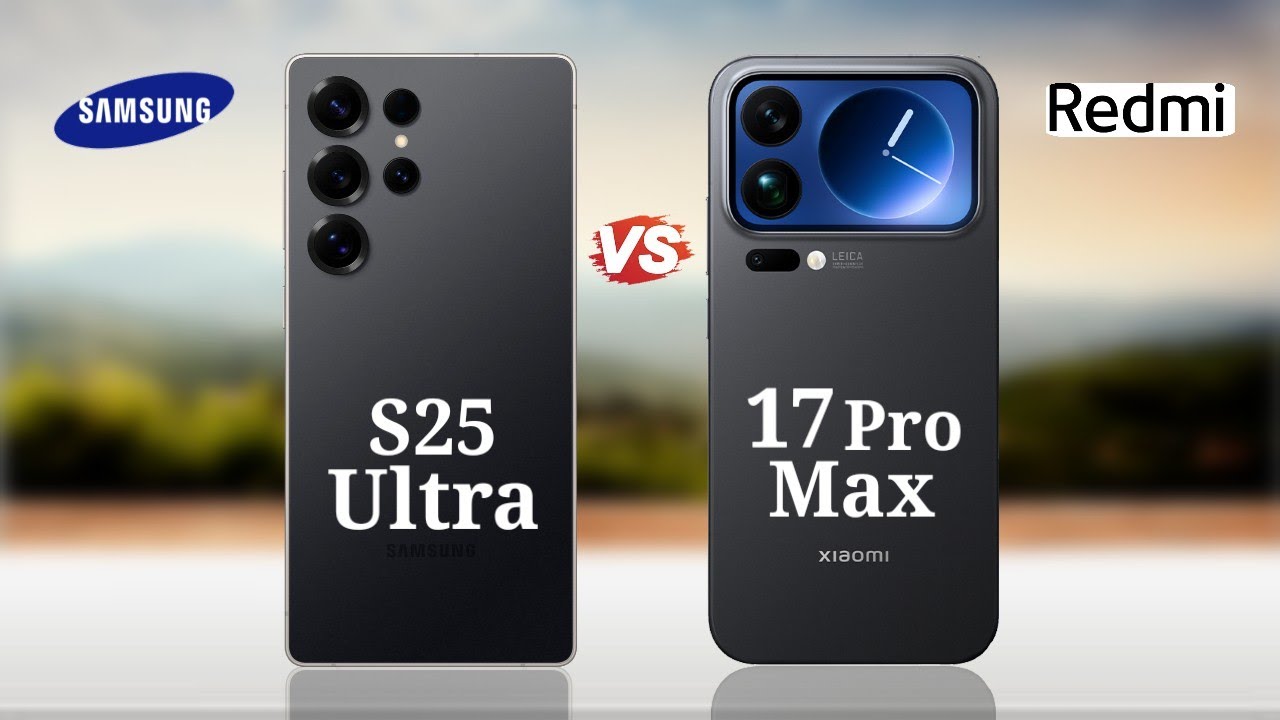
The Xiaomi 17 Pro Max and Samsung Galaxy S25 Ultra represent two different approaches to Android flagship excellence in 2025. The Xiaomi 17 Pro Max focuses on extreme hardware specifications with its massive 7500mAh silicon-carbon battery, blazing 100W charging, and innovative dual-screen design featuring a functional 2.9-inch rear display. The Samsung Galaxy S25 Ultra takes a more refined approach with its titanium construction, sophisticated S Pen integration, and industry-leading Snapdragon 8 Elite processor optimized specifically for Galaxy devices.
Both devices share similar display sizes at 6.9 inches with 120Hz LTPO refresh rates, but differ in their camera philosophies and ecosystem strengths. The Xiaomi emphasizes raw megapixel counts with Leica optics, while Samsung prioritizes computational photography with its 200MP main sensor and advanced AI features. The Xiaomi starts at approximately $825 compared to Samsung's $1,299, offering significant value for spec-focused users. However, Samsung counters with longer software support (7 OS updates vs 3-4), superior ecosystem integration, and the unique productivity advantage of the built-in S Pen stylus.
Design & Display Comparison
| Xiaomi 17 Pro Max | Samsung Galaxy S25 Ultra | |
| Display Size | 6.9 inches LTPO AMOLED | 6.9 inches Dynamic AMOLED 2X |
| Resolution | 2656 x 1220 (2K) | 3120 x 1440 (QHD+) |
| Refresh Rate | 1-120Hz adaptive (LTPO) | 1-120Hz adaptive (LTPO) |
| Brightness | 3500 nits peak | 2600 nits peak |
| Build Material | Aluminum frame, Dragon Crystal Glass 3, 2.9" rear AMOLED display | Titanium frame, Gorilla Armor 2, rounded corners |
| Dimensions | 8mm thickness | 8.2mm thickness, 162.8 x 77.6mm |
| Weight | 219g | 218g |
| IP Rating | IP68 | IP68 |
Performance Comparison
| Xiaomi 17 Pro Max | Samsung Galaxy S25 Ultra | |
| Processor | Qualcomm Snapdragon 8 Elite Gen 5 (3nm) | Snapdragon 8 Elite for Galaxy (3nm, optimized) |
| CPU Cores | Octa-core, up to 4.6 GHz | Octa-core (custom tuned for Galaxy) |
| GPU | Adreno (integrated) | Adreno (30% better graphics vs S24 Ultra) |
| RAM | 12GB / 16GB LPDDR5X | 12GB LPDDR5X (16GB in select markets) |
| Storage | 512GB / 1TB UFS 4.1 | 256GB / 512GB / 1TB UFS 4.0 |
| Cooling | 5533mm² 3D ring-type cooling system | Enhanced vapor chamber (40% larger than S24 Ultra) |
| Geekbench 6 Single | ~3200 (estimated) | ~3100 (estimated) |
| Geekbench 6 Multi | ~10000 (estimated) | ~9800 (estimated, 37% faster than S24 Ultra) |
Camera System Comparison
| Xiaomi 17 Pro Max | Samsung Galaxy S25 Ultra | |
| Main Camera | 50MP Light Fusion 950L, f/1.67, OIS, Leica optics | 200MP wide-angle, OIS, f/1.7, pixel binning |
| Ultrawide | 50MP, 102° ultra-wide, Leica lens | 50MP ultra-wide, 120° FOV |
| Telephoto 1 | 50MP periscope, 5x optical zoom, OIS | 10MP telephoto, 3x optical zoom |
| Telephoto 2 | N/A | 50MP periscope, 5x optical zoom, OIS |
| Front Camera | 50MP, f/2.2 | 12MP, f/2.2 |
| Video Recording | 8K@30fps, 4K@60fps, Dolby Vision HDR 10-bit | 8K@30fps, 4K@60fps, Super Steady, Night Video |
| AI Features | Leica filters, AI scene detection, rear display viewfinder | ProVisual Engine, Quad Tele System (2x/3x/5x/10x), Audio Eraser |
Battery & Charging Comparison
| Xiaomi 17 Pro Max | Samsung Galaxy S25 Ultra | |
| Battery Capacity | 7500mAh (silicon-carbon) | 5000mAh |
| Wired Charging | 100W HyperCharge (0-100% in 20-25 mins) | 45W fast charging |
| Wireless Charging | 50W wireless fast charging | 15W Qi wireless charging |
| Reverse Charging | 22.5W reverse wireless charging | 4.5W reverse wireless charging |
| Screen-on Time | 1.5-2 days typical usage | Up to 31 hours video playback |
| Battery Health | Xiaomi Hyper Battery Management System | Advanced battery optimization with One UI 7 |
Software & Ecosystem
| Xiaomi 17 Pro Max | Samsung Galaxy S25 Ultra | |
| Operating System | Android 16 with HyperOS 3 | Android 15 with One UI 7 |
| Update Support | 3-4 years OS updates, 5 years security | 7 years OS updates and security patches |
| AI Assistant | Xiaomi AI assistant, Google Assistant | Google Gemini integration, Galaxy AI, Now Brief |
| Ecosystem Integration | Xiaomi smart home, Mi ecosystem devices | Samsung ecosystem (Galaxy Watch, Buds, Tab), SmartThings |
| Customization | Extensive customization, themes, widgets | Good customization with One UI, S Pen features |
| App Store | Google Play Store, Xiaomi GetApps | Google Play Store, Galaxy Store |
Price & Value Comparison
| Xiaomi 17 Pro Max | Samsung Galaxy S25 Ultra | |
| Starting Price | $825 USD (12GB/512GB) | $1,299 USD (12GB/256GB) |
| Top Model Price | $980 USD (16GB/1TB) | $1,659 USD (12GB/1TB) |
| Included Accessories | 100W charger, USB-C cable, case, screen protector | USB-C cable only, S Pen included in phone |
| Resale Value (1 year) | ~50-55% of original price | ~65-70% of original price |
| Warranty | 1 year manufacturer warranty | 1 year manufacturer warranty (Samsung Care+ available) |
Final Verdict
Choose Xiaomi 17 Pro Max if:
- Battery life is your absolute priority with 7500mAh capacity (50% more than Samsung)
- You want ultra-fast 100W charging that refills in 20 minutes vs Samsung's 45W
- Value matters most - save $474 while getting flagship specs and more storage (512GB vs 256GB base)
- The innovative dual-screen design with 2.9" rear display appeals for selfies and notifications
- You prefer brighter displays (3500 nits vs 2600 nits) for outdoor visibility
Choose Samsung Galaxy S25 Ultra if:
- S Pen stylus functionality is important for note-taking, sketching, and productivity
- Long-term software support matters (7 years vs 3-4 years of updates)
- You're invested in Samsung's ecosystem (Galaxy Watch, Buds, SmartThings)
- The 200MP main camera with advanced AI features and Quad Tele System appeals
- Premium titanium build quality and better resale value (65% vs 50% after 1 year) justify the price
- Google Gemini integration and Galaxy AI features enhance your workflow
Bottom Line: The Xiaomi 17 Pro Max is the battery champion and value king, offering exceptional hardware at $474 less with its massive 7500mAh battery, 100W charging, and innovative dual-screen design. It's perfect for power users who prioritize endurance and charging speed. The Samsung Galaxy S25 Ultra justifies its premium with the unique S Pen stylus, titanium construction, 7 years of software support, superior ecosystem integration, and refined user experience. Choose Xiaomi for raw specs and value, or Samsung for productivity features, longevity, and ecosystem cohesion.