Google is preparing significant gaming upgrades for Android 17 that could revolutionize how users play games with physical controllers on mobile devices. Code discovered in recent Android Canary builds reveals native controller remapping capabilities and a virtual gamepad system that will finally bring console-level customization to Android gaming.
The Current State of Android Controller Support
Currently, Android relies on predefined configuration files to map inputs for popular controllers like official Xbox gamepads. When you connect a USB or Bluetooth controller, Android identifies it through vendor and product IDs and applies these standard mappings. While this system works for mainstream controllers, it creates several limitations:
Limited Customization
Users cannot easily swap buttons if default layouts feel awkward or unintuitive
Third-Party Reliance
Players must use "hacky" third-party tools that utilize ADB or Accessibility APIs for remapping
Inconsistent Support
Many Android games lack built-in remapping options, forcing players to accept default controls
Android 17's Gaming Revolution
The evidence for these gaming improvements comes from several key discoveries in Android's codebase. A new permission called android.permission.CONTROLLER_REMAPPING has been added, guarded by a feature flag labeled com.android.hardware.input.controller_remapping. This permission is restricted to apps signed with the platform key, indicating this will be a system-level feature rather than something third-party apps can access.
Virtual Gamepad: The Magic Behind the Scenes
Perhaps the most significant technical achievement is the "virtual gamepad" system. This creates a software representation of a physical controller that acts as an intermediary between your actual hardware and games. Here's how it works:
- Input Interception: Android receives button presses from your physical controller
- Virtual Processing: The virtual gamepad intercepts these inputs and applies your custom mappings
- Seamless Output: Games receive the remapped commands as if they came directly from a standard controller
This virtual device supports all standard controller components including face buttons (A, B, X, Y), triggers (L2, R2), bumpers (L1, R1), analog sticks with clickable buttons (L3, R3), and D-pad inputs.
Expected Features and Capabilities
Native Button Remapping
Android 17 will likely include a dedicated game controller menu within Settings where users can customize button layouts for each connected controller. This means you could potentially:
- Swap A and B buttons for Nintendo-style layouts
- Assign complex actions to rear paddles on premium controllers
- Create different profiles for various game genres
Touch-to-Controller Mapping
The virtual gamepad technology could enable an even more revolutionary feature: mapping physical controller inputs to on-screen touch controls. This would allow players to use controllers in games that were never designed with controller support, essentially creating "forced" controller compatibility for the vast library of touch-only Android games.
Impact on Different Gaming Scenarios
Cloud Gaming
Services like Xbox Cloud Gaming and GeForce Now will benefit from consistent button layouts across different controllers
Accessibility
Players with disabilities can remap essential functions to more accessible buttons
Android Handhelds
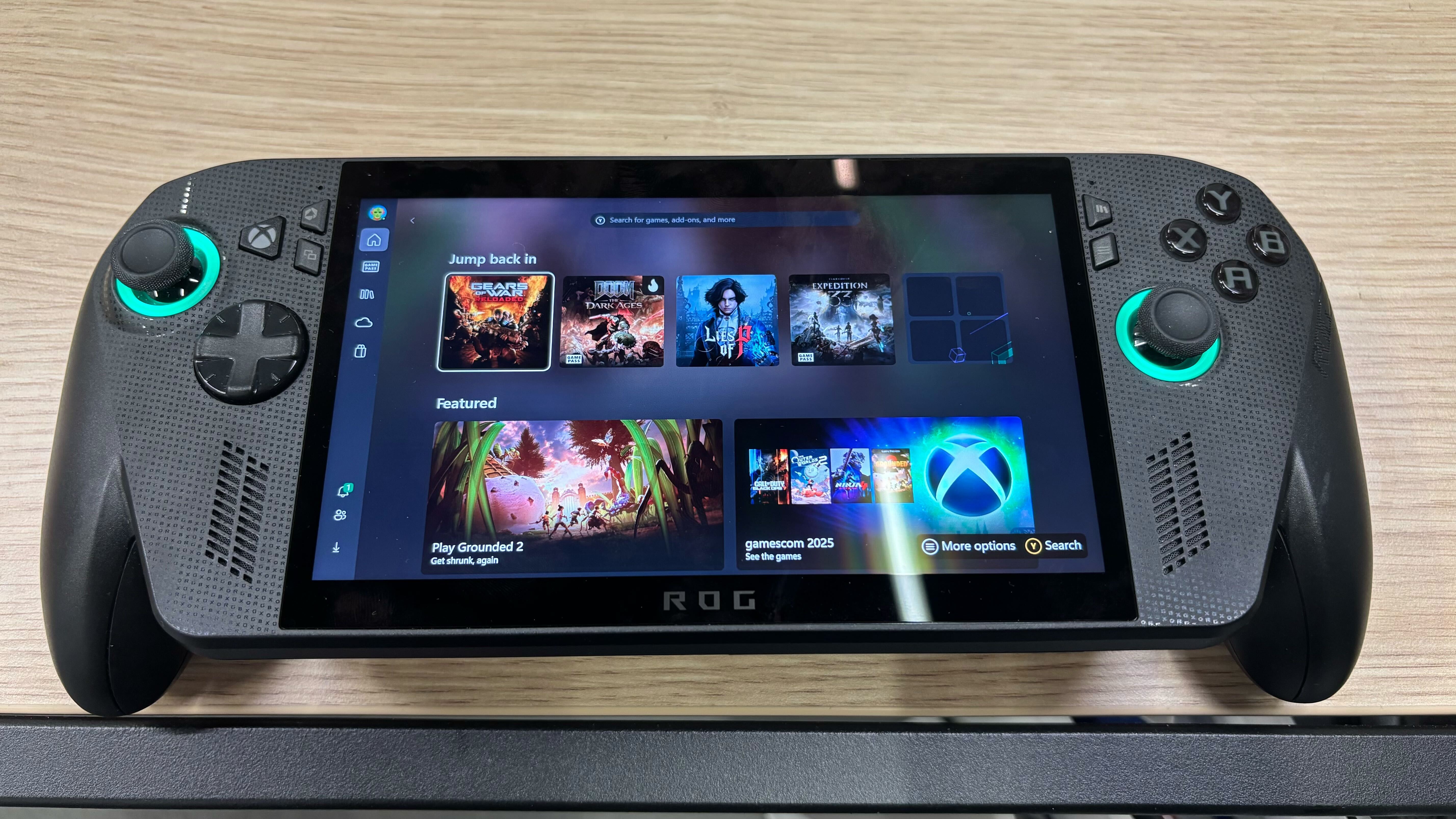
Devices like gaming phones and Android-powered handhelds will offer more console-like experiences
Development Timeline and Availability
It's important to note that these features are still in development, and Google may modify or remove them before the final Android 17 release. However, the presence of detailed code and multiple interconnected components suggests this is a serious initiative rather than experimental testing.
What This Means for Android Gamers
For the average user, Android 17 could finally bridge the gap between mobile gaming and console-style experiences. Instead of hoping each game implements proper controller support or dealing with unreliable third-party remapping tools, players will have system-level control over their input preferences.
As Android expands to new form factors like PCs, tablets, and dedicated gaming handhelds, robust controller support becomes increasingly essential. These changes position Android as a more serious gaming platform that can better compete with dedicated gaming systems.
The gaming improvements in Android 17 represent one of the most significant enhancements for controller users in Android's history. If successfully implemented, they could fundamentally change how millions of people experience games on their Android devices.