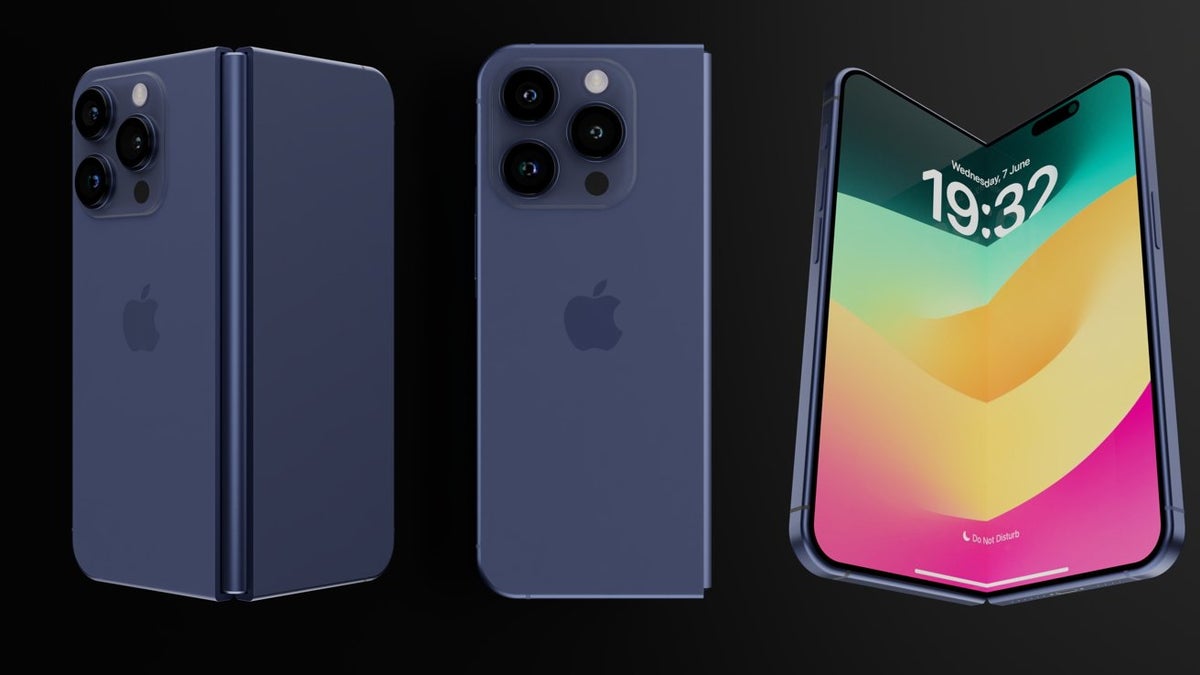
Key Analyst Warning
TF International Securities analyst Ming-Chi Kuo has issued a significant warning about Apple's anticipated entry into the foldable smartphone market. In a new research note, Kuo states that while Apple is still expected to announce its first foldable iPhone in the second half of 2026, "smooth shipments may not occur until 2027" due to substantial production challenges.
This suggests that even if Apple showcases the device next year, consumers might face extended shortages and limited availability well into the following year.
The Long-Awaited Foldable iPhone Faces Manufacturing Hurdles
Apple's rumored foldable iPhone, often referred to as the "iPhone Fold," represents one of the most anticipated product launches in the company's history. However, according to the latest analysis from renowned Apple supply chain expert Ming-Chi Kuo, the road to market may be longer than enthusiasts hope. Despite progress, the development is reportedly behind earlier expectations.
The core issue lies in achieving manufacturability at scale. Kuo specifically cites "early-stage yield and ramp-up challenges" that are expected to constrain supply. This means that even after a public announcement, Apple may struggle to produce enough units to meet what is anticipated to be very strong initial demand.
Understanding the Delay: Challenges and Implications
Kuo's warning highlights the significant technical hurdles involved in creating a reliable, mass-producible foldable device that meets Apple's stringent quality standards. Other analysts, like those at Mizuho Securities, have echoed similar concerns, suggesting that unresolved design elements like the hinge mechanism could even push the full launch to 2027.
Core Production Challenges
Yield Issues
Early-stage manufacturing yields for the complex display and hinge assemblies are reportedly lower than needed for mass production, limiting output.
Ramp-Up Difficulties
Scaling production from pilot lines to the massive volumes required for a global iPhone launch is proving challenging.
Supply Chain Complexity
The device relies on a "complex mix of specialty glass and materials" from suppliers like Corning and SCHOTT, creating a intricate supply chain.
Projected Timeline
Late 2025 / Early 2026
Design Validation & Limited Pilot Production. Reports indicate the device may still be in the design validation stage.
September 2026 (Expected)
Official Announcement. Apple is likely to unveil the device at a fall event, as per its traditional schedule.
Late 2026
Limited Launch & Initial Shortages. First units may ship, but supply will be severely constrained, leading to high demand and scarcity.
2027
Smooth, Widespread Shipments. If production challenges are overcome, availability is expected to normalize in 2027.
What to Expect: Rumored Specifications & Design
While Apple remains secretive, numerous leaks and analyst reports have painted a picture of what the first foldable iPhone might entail. The device is expected to be a premium, book-style foldable that prioritizes a seamless user experience.
| Design Form | Book-style (horizontal) foldable |
| Inner Display | ~7.58 to 7.8-inch foldable LTPO OLED |
| Outer Display | ~5.3 to 5.5-inch cover screen |
| Key Feature | Liquid metal hinge aiming for a "virtually crease-free" display |
| Processor | Expected A20 chip built on TSMC's 2nm process |
| Biometrics | Rumored side-mounted Touch ID instead of Face ID |
| Camera System | Dual 48MP rear cameras; under-display inner camera |
| Estimated Price | $2,000 - $2,500 (Apple's most expensive iPhone) |
Market Context: Apple's Late Entry & The Foldable Landscape
If Apple launches in 2026-2027, it will be entering a foldable market that competitors like Samsung, Google, and various Chinese OEMs have cultivated for nearly a decade. Apple's stated goal is reportedly to solve persistent user experience issues, most notably the visible crease in the display, with a "complex" hinge design.
Industry projections suggest Apple's entry could be a major catalyst. Foldable panel shipments are forecast to grow 46% in 2026, with Apple potentially capturing over 22% of the global foldable smartphone market in its first year. However, this ambitious projection is contingent on Apple solving the very production problems Kuo has highlighted.
What This Means for Consumers & the Industry
Ming-Chi Kuo's analysis suggests a cautious approach for consumers eagerly awaiting a foldable iPhone. The pattern may resemble the launch of the original iPhone X, which was announced on schedule but shipped in very limited quantities initially. Potential buyers should be prepared for the possibility of a premium-priced device that is extremely hard to purchase at launch.
For Apple, the situation underscores the immense difficulty of innovating in a new form factor while maintaining its reputation for quality and reliability. The delay in achieving smooth shipments indicates that the company is prioritizing getting the product right over rushing it to market. The success of this strategy will determine whether the foldable iPhone becomes a transformative hit or remains a niche, low-volume product in its first generation.