💸 Price Shock Analysis
Apple's first foldable iPhone is set to become the company's most expensive smartphone ever, with leaked pricing positioning it significantly above current flagship models and competing foldables from Samsung and Huawei.
Expected Starting Price
Approximately ₹214,000 / €2,200 / £1,900
Apple's Premium Foldable Enters at Record Price Point
In what could be Apple's most ambitious smartphone pricing strategy to date, the company's first foldable iPhone is expected to launch at approximately $2,399 (around ₹214,000), according to recent analysis from Fubon Research . This positions Apple's foldable entry significantly above both its current flagship models and competing foldables from established players in the market.
The premium pricing reflects Apple's commitment to using high-end components, particularly in the display and hinge mechanisms, which analysts identify as the primary cost drivers . Despite the steep price tag, Apple is projected to sell approximately 5.4 million units in 2026, with foldable devices expected to be the "only spotlight" in an otherwise declining smartphone market .
Breaking Down the $2,399 Price Tag
| Analyst Firm | Fubon Research (Arthur Liao) |
| Previous Estimates | $2,000-$2,500 (Kuo), ~$2,000 (Gurman) |
| Price Comparison | 2x iPhone 17 Pro Max price |
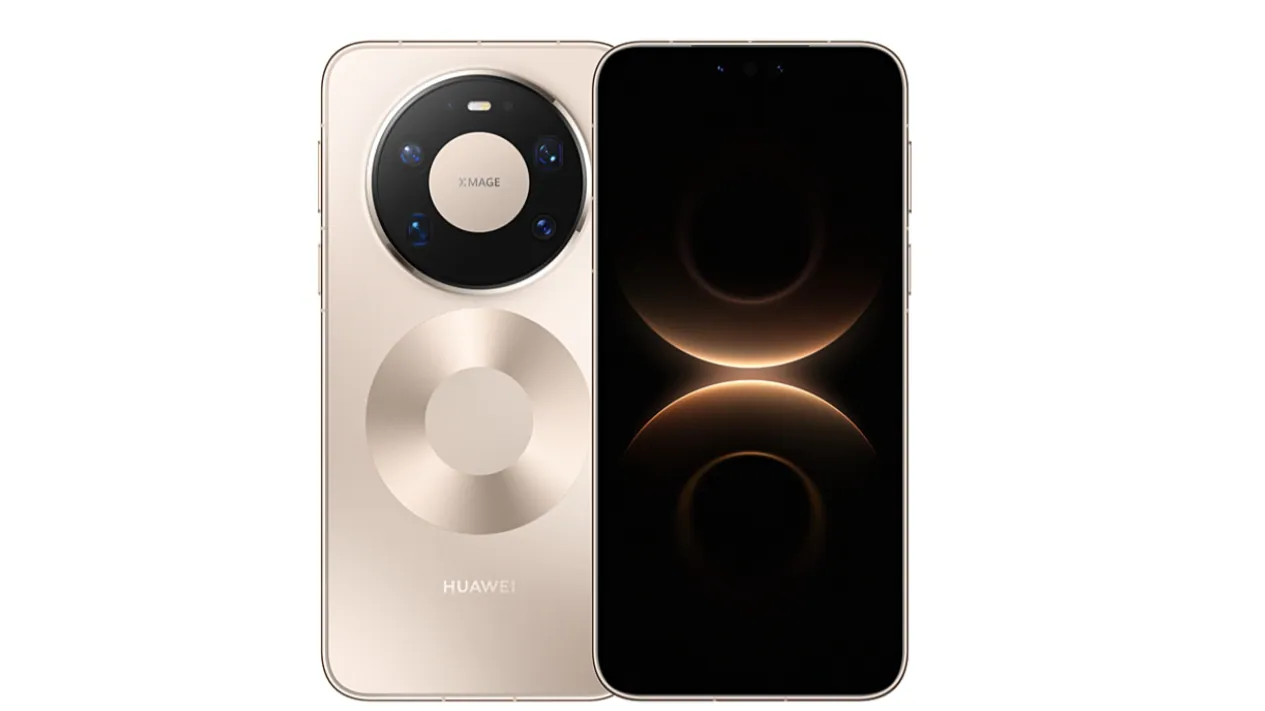
| Market Position | Above Samsung Z Fold 7 ($1,899) |
| Expected Sales | 5.4M units in 2026, 15.4M lifetime |
The $2,399 price point represents the higher end of earlier predictions from notable Apple analysts . Ming-Chi Kuo had previously estimated the device would fall between $2,000 and $2,500, while Bloomberg's Mark Gurman projected around $2,000. The final pricing appears to be leaning toward the premium extreme of these forecasts.
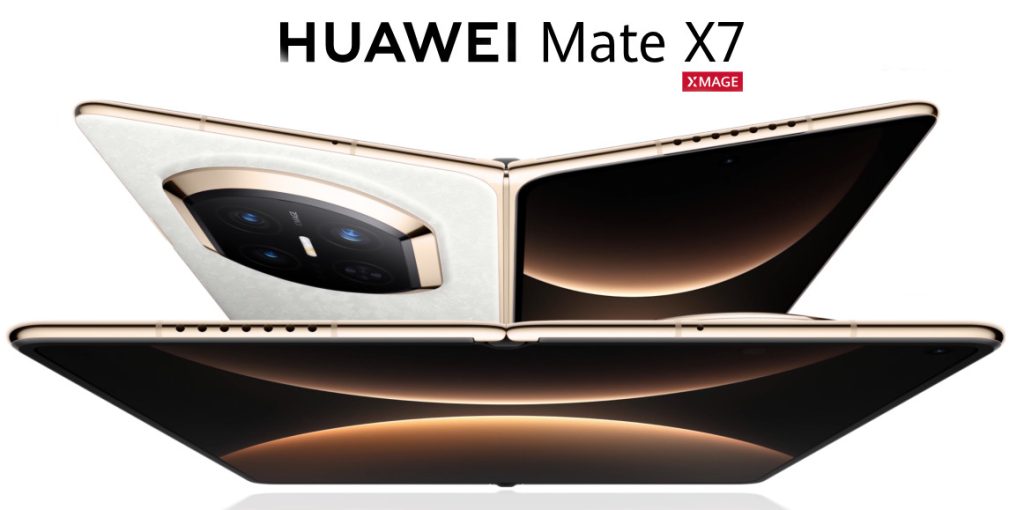
What makes this pricing particularly notable is that it essentially doubles the cost of Apple's current flagship, the iPhone 17 Pro Max, and positions the device $500 above Samsung's competing Galaxy Z Fold 7 . This aggressive pricing strategy suggests Apple is targeting the ultra-premium segment rather than pursuing mass-market adoption with its first foldable offering.
Revolutionary Crease-Free Display Technology
| Inner Display | 7.8-inch foldable OLED (Samsung) |
| Outer Display | 5.5-inch OLED |
| Key Feature | Virtually invisible crease |
| Technology | Liquid metal hinge + special metal plate |
| Supplier | Samsung Display exclusive |
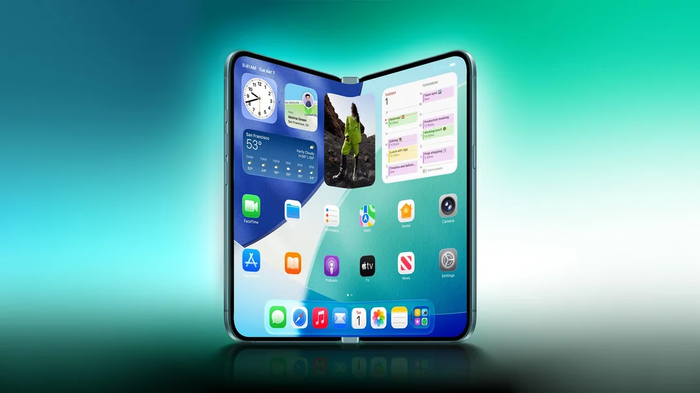
Apple's solution to the persistent crease problem that has plagued foldable devices involves a sophisticated combination of a liquid metal hinge mechanism and a specially engineered metal plate beneath the display . This technology disperses and controls bending stress to minimize the formation of visible creases, potentially delivering the industry's first truly "crease-free" folding experience.
The inner 7.8-inch display is supplied exclusively by Samsung Display and features custom OLED panels that may not even be used in Samsung's own foldable devices initially . The 5.5-inch outer display provides functionality similar to a standard iPhone when the device is folded, offering users a familiar experience for quick tasks and notifications.
Complete Specifications Overview
| Design | Book-style foldable with titanium frame |
| Inner Display | 7.8-inch OLED, 2713x1920 resolution |
| Outer Display | 5.5-inch OLED, 2088x1422 resolution |
| Processor | A20 Pro (2nm process) |
| Memory | 12GB RAM, up to 1TB storage |
| Cameras | Dual rear (48MP main), dual front cameras |
| Biometrics | Side-mounted Touch ID (no Face ID) |
| Battery | 5,400-5,800mAh |
| Connectivity | Wi-Fi 7, Apple C2 5G modem |
| Launch | September 2026 with iPhone 18 series |
The foldable iPhone represents several firsts for Apple, including the return of Touch ID as the primary biometric authentication method . The removal of Face ID enables a slimmer design when unfolded (approximately 4.5mm) and allows for an uninterrupted display experience without notches or dynamic islands on both screens.
Powering the device will be Apple's next-generation A20 Pro chip built on a 2nm process, delivering significant performance and efficiency improvements . The substantial 5,400-5,800mAh battery capacity exceeds current iPhone models and is designed to power the larger displays without compromising all-day usage.
Market Impact and Consumer Reception
Apple's entry into the foldable market, though later than competitors, is expected to significantly boost consumer awareness and acceptance of foldable technology . Analyst Arthur Liao of Fubon Research notes that despite Apple being a later entrant compared to Samsung and Huawei, the company's strong supply chain control and brand appeal could rapidly increase high-end consumer interest in foldable products.
The premium pricing strategy positions the device as an aspirational product within Apple's lineup, potentially creating a new ultra-premium category above the Pro Max models. While the $2,399 price point will limit initial adoption to early adopters and premium segments, it establishes a high bar for what consumers should expect from a foldable Apple device in terms of build quality, materials, and technological innovation.
Launch Timeline and Availability
Current projections indicate the foldable iPhone will debut in September 2026 alongside the iPhone 18 Pro series . Manufacturing is expected to begin in late 2025 or early 2026, with Foxconn reportedly establishing dedicated production lines for the device.
The launch timing positions Apple to capitalize on the 2026 holiday season while allowing sufficient time for production ramp-up of the complex folding mechanism and display components. As with most Apple product launches, initial availability may be constrained, potentially creating significant wait times for early adopters willing to pay the premium price.