🚀 Performance Preview
The Huawei Mate 80 Pro Max has appeared on Geekbench with model number HUAWEI SGT-AL10, revealing the powerful Kirin 9030 chipset and 16GB of RAM ahead of its official launch today. The benchmark scores provide our first look at what to expect from Huawei's flagship performance .
Geekbench 6 Performance Breakdown
Scores based on Geekbench 6.2.0 for Android AArch64 benchmark test
Geekbench Listing Reveals Kirin 9030 Details
The Huawei Mate 80 Pro Max has been spotted on Geekbench with the model number HUAWEI SGT-AL10, confirming several key specifications ahead of its official launch. The listing reveals the device is powered by Huawei's proprietary Kirin 9030 chipset, featuring an innovative nona-core (9-core) architecture with ARMv8 architecture .
According to the Geekbench listing discovered by tipster Digital Chat Station on Weibo, the Kirin 9030 features a 1+4+4 core configuration with one high-performance core clocked at 2.75GHz, four mid-tier cores running at 2.27GHz, and four efficiency cores operating at 1.72GHz base frequency. This balanced approach suggests Huawei is focusing on both performance and power efficiency .
Performance Analysis & Benchmark Scores
| Geekbench Version | 6.2.0 for Android AArch64 |
| Single-Core Score | 1,131 points |
| Multi-Core Score | 4,277 points |
| RAM Configuration | 15.26GB (marketed as 16GB) |
| Operating System | Android 12 (likely HarmonyOS placeholder) |
The benchmark scores of 1,131 points in single-core and 4,277 points in multi-core tests position the Kirin 9030 comfortably in the upper-mid to flagship CPU tier. While these scores may not top the current Snapdragon and Apple A-series chipsets, they represent significant progress for Huawei's in-house silicon development amid ongoing restrictions .
It's worth noting that these are early benchmark results from pre-release hardware, and final retail performance could improve with software optimizations in HarmonyOS. The listed Android 12 is likely a placeholder, as Huawei has moved away from Android to its proprietary HarmonyOS .
Additional Specifications & Features
| Storage Options | 512GB and 1TB UFS storage |
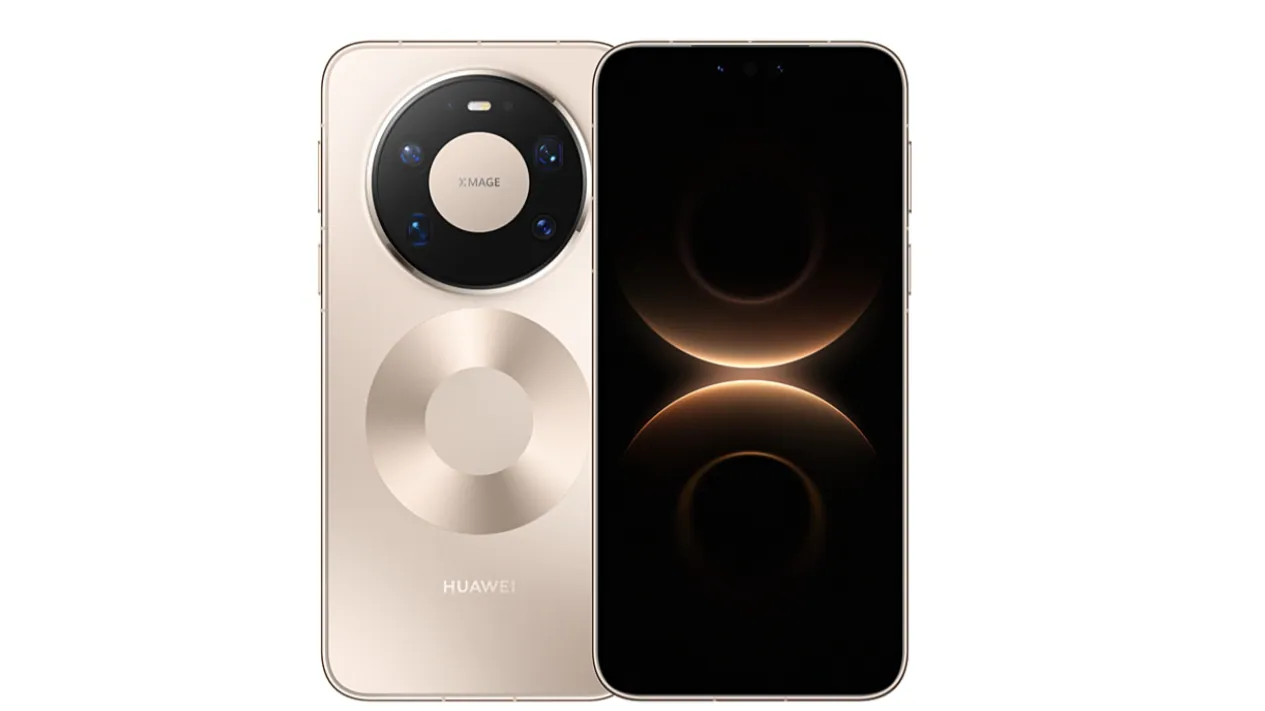
| Color Options | Aurora Blue, Polar Night Black, Polar Silver, Polar Day Gold |
| Display | High-brightness LTPO OLED, 120-144Hz VRR |
| Camera System | Advanced multi-lens setup with periscope zoom |
| Battery | Large capacity with fast wired and wireless charging |
Beyond the processor and memory, the Mate 80 Pro Max is expected to feature a premium LTPO OLED display with high brightness capabilities, an advanced multi-lens camera system, and a large battery capacity. Huawei has previously teased camera samples from the Mate 80 series, highlighting improved telephoto and portrait capabilities .
The device is confirmed to be offered in two RAM and storage configurations: 16GB + 512GB and 16GB + 1TB. Color options include Aurora Blue, Polar Night Black, Polar Silver, and Polar Day Gold, providing consumers with premium aesthetic choices .
Launch Context & Market Position
The Huawei Mate 80 Pro Max is part of the broader Mate 80 series, which includes the Mate 80, Mate 80 Pro, Mate 80 Pro Max, and Mate 80 RS Master Edition models. The series is scheduled to launch in China today, November 25, 2025, marking Huawei's latest flagship offering in the competitive smartphone market .
This Geekbench appearance comes at a crucial time for Huawei as the company continues to develop its proprietary technology stack amid ongoing challenges in the global smartphone market. The Kirin 9030 represents Huawei's continued commitment to in-house chipset development and the HarmonyOS ecosystem .
Industry Implications & Future Outlook
The appearance of the Mate 80 Pro Max on Geekbench provides valuable insights into Huawei's current technological capabilities and future direction. The Kirin 9030's performance, while not industry-leading, demonstrates that Huawei continues to make progress in chipset design despite significant external challenges .
For consumers, the Mate 80 Pro Max represents an alternative flagship option with unique features including HarmonyOS, advanced camera capabilities teased in previous company announcements, and Huawei's distinctive design language. The device's performance in these early benchmarks suggests it will be capable of handling demanding applications and games, though real-world performance may vary .