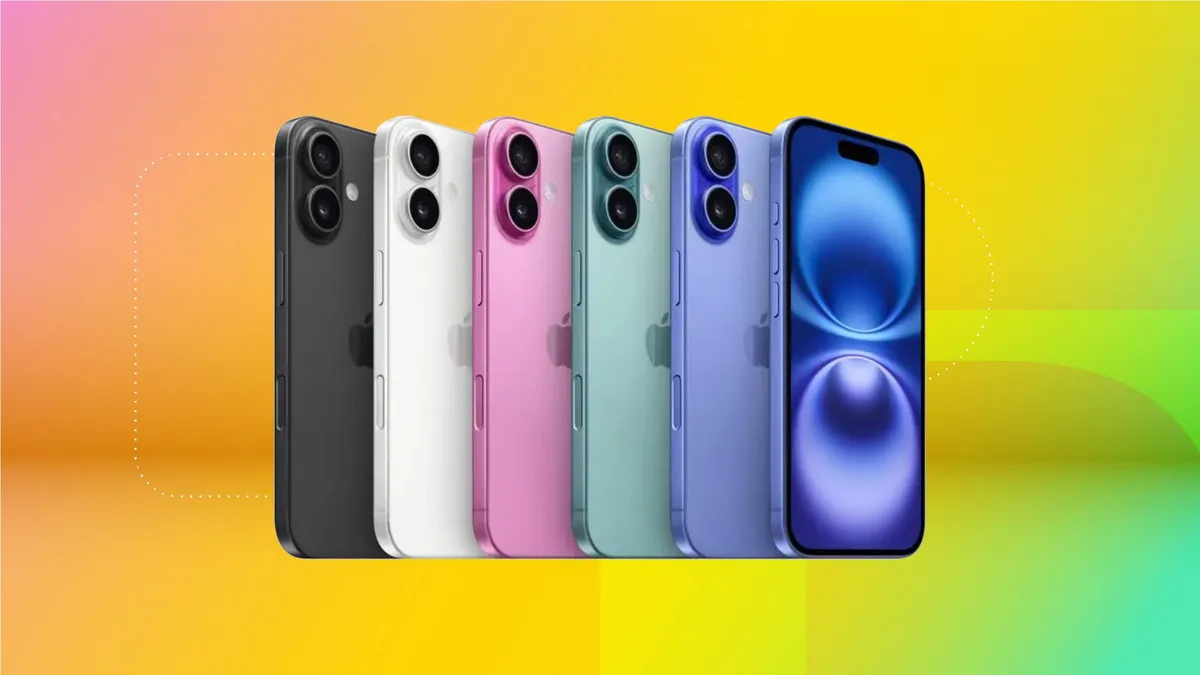
The Headline Numbers
🏆 #1 Phone Worldwide
iPhone 16 with a 4% volume share.
Its 3rd consecutive quarter at the top.
📈 Samsung's Stronghold
5 of Top 10 spots were Galaxy A-series phones.
No Samsung flagship (S25) made the list.
📶 5G Milestone
First time all Top 5 phones were 5G models.
Shows 5G is now a standard consumer expectation.
🔟 Top 10 Split
Apple: Spots 1-4 & 10.
Samsung: Spots 5-9. A clean split.
A Market of Two Tales
The global smartphone market for Q3 2025 tells a story of two divergent, yet supremely successful, strategies. According to the latest data from industry analysts Counterpoint Research, Apple and Samsung collectively accounted for every single device in the global top 10 best-sellers list. However, the nature of their success couldn't be more different: Apple dominated the premium tier, while Samsung conquered through sheer volume in the mid-range and budget segments.
This quarter was particularly notable as it defied typical seasonal trends. Apple's previous-generation iPhone 16 series held remarkably strong even as its successor, the iPhone 17, began launching, while Samsung's flagship Galaxy S25 series was completely absent, replaced by its more affordable siblings.
1. Apple's Premium Reign: The iPhone 16's Unshakeable Lead
Top PerformerThe standard iPhone 16 was the world's best-selling smartphone in Q3 2025, capturing a 4% share of global volume. This marked its third quarter in a row at the #1 position, a feat of sustained demand rarely seen for a model approaching a year on the market.
The Full Apple Lineup in the Top 10:
- 1. iPhone 16 – The volume leader.
- 2. iPhone 16 Pro
- 3. iPhone 16 Pro Max
- 4. iPhone 16e – The budget-friendly entry point.
- 10. iPhone 17 Pro Max – Entered the list despite "limited availability" at the very end of the quarter, signaling strong early demand.
Regional drivers were key: Counterpoint notes that a sales boost in India during festive promotions and a sustained recovery in Japan helped cushion the expected seasonal decline for the iPhone 16 series. Interestingly, while the base iPhone 16 held strong, the iPhone 16 Pro models saw a steeper decline in major markets like the U.S., UK, and China as enthusiasts there shifted to the new iPhone 17 lineup.
2. Samsung's Volume Strategy: The Galaxy A-Series Juggernaut
Volume LeaderWhile Apple locked down the top of the chart, Samsung executed a masterclass in volume by occupying spots five through nine exclusively with its Galaxy A-series phones. The most notable takeaway was the complete absence of any Samsung flagship (like the Galaxy S25 Ultra) from the top 10, a significant change from previous years.
Samsung's Top 10 Contenders (Positions 5-9):
- 5. Galaxy A16 5G – The best-selling Android phone globally for the quarter.
- 6. Galaxy A06
- 7. Galaxy A36
- 8. Galaxy A56
- 9. Galaxy A16 4G – Catering to price-sensitive and regions with limited 5G.
This clean sweep by the A-series underscores a major industry trend: "Awesome Intelligence" and AI features are trickling down to mid-range phones, making them incredibly compelling. Counterpoint Research states this "bridges the user experience with flagship models" and delivers greater value. Samsung's strategy focuses on large-scale manufacturing and vertical integration, allowing them to offer features like multi-year software support and capable cameras at accessible price points, which resonates powerfully in growth markets like Southeast Asia, Latin America, and Africa.
3. Market Implications & The Road Ahead
The Q3 2025 results are more than just a sales ranking; they signal foundational shifts in the smartphone industry.
5G is Now Table Stakes
For the first time in a Q3 ranking, all top five models were 5G devices. This confirms that 5G connectivity is no longer a premium differentiator but a key consumer preference and standard expectation across most regions.
AI Democratization is Real
Samsung's success is partly attributed to adding AI features to the A-series. The report suggests the mid-price segment's strength will remain, driven by the growing integration of generative AI features that make these phones more competitive.
Growth is in Emerging Markets
The performance of both Apple in India and Samsung's A-series globally highlights where the real volume growth is: Asia-Pacific, Africa, and Latin America. Winning requires tailored strategies for these regions, not just global flagship launches.
The Profit vs. Volume Dichotomy
The quarter perfectly illustrates the two paths to success: Apple's high-profit-margin, ecosystem-driven premium model, and Samsung's high-volume, value-focused portfolio strategy. One is not inherently better than the other; they represent different market objectives.
Q3 2025 Global Top 10: At a Glance
| Global Rank | Model | Brand | Segment | Key Note |
|---|---|---|---|---|
| 1 | iPhone 16 | Apple | Premium | 4% volume share; 3rd straight quarter at #1 |
| 2 | iPhone 16 Pro | Apple | Premium | Part of Apple's top-4 sweep |
| 3 | iPhone 16 Pro Max | Apple | Premium | |
| 4 | iPhone 16e | Apple | Mid-Range | Budget-friendly Apple entry |
| 5 | Galaxy A16 5G | Samsung | Budget-Mid | Best-selling Android phone |
| 6 | Galaxy A06 | Samsung | Budget | |
| 7 | Galaxy A36 | Samsung | Mid-Range | |
| 8 | Galaxy A56 | Samsung | Mid-Range | |
| 9 | Galaxy A16 4G | Samsung | Budget | Key in price-sensitive markets |
| 10 | iPhone 17 Pro Max | Apple | Ultra Premium | Entered list with limited availability |
Analyst Perspective: A Defining Quarter
Q3 2025 will be remembered as the quarter where the smartphone market's duality became crystal clear. Apple's iPhone 16 achieved a rare hat-trick of quarterly wins, proving the enduring power of its brand and ecosystem even against its own newer models.
Conversely, Samsung demonstrated that strategic scale in the mid-range is a powerhouse. By focusing on delivering core features—5G, AI, software support—at accessible prices, they locked out competitors from the volume-driven top ten.
The total absence of Chinese brands and Samsung's own flagships from this elite list is a stark message: in the volume game, it's increasingly a battle between Apple's premium allure and Samsung's value engineering. As AI becomes ubiquitous and 5G coverage expands, this clash of strategies will only intensify heading into 2026.