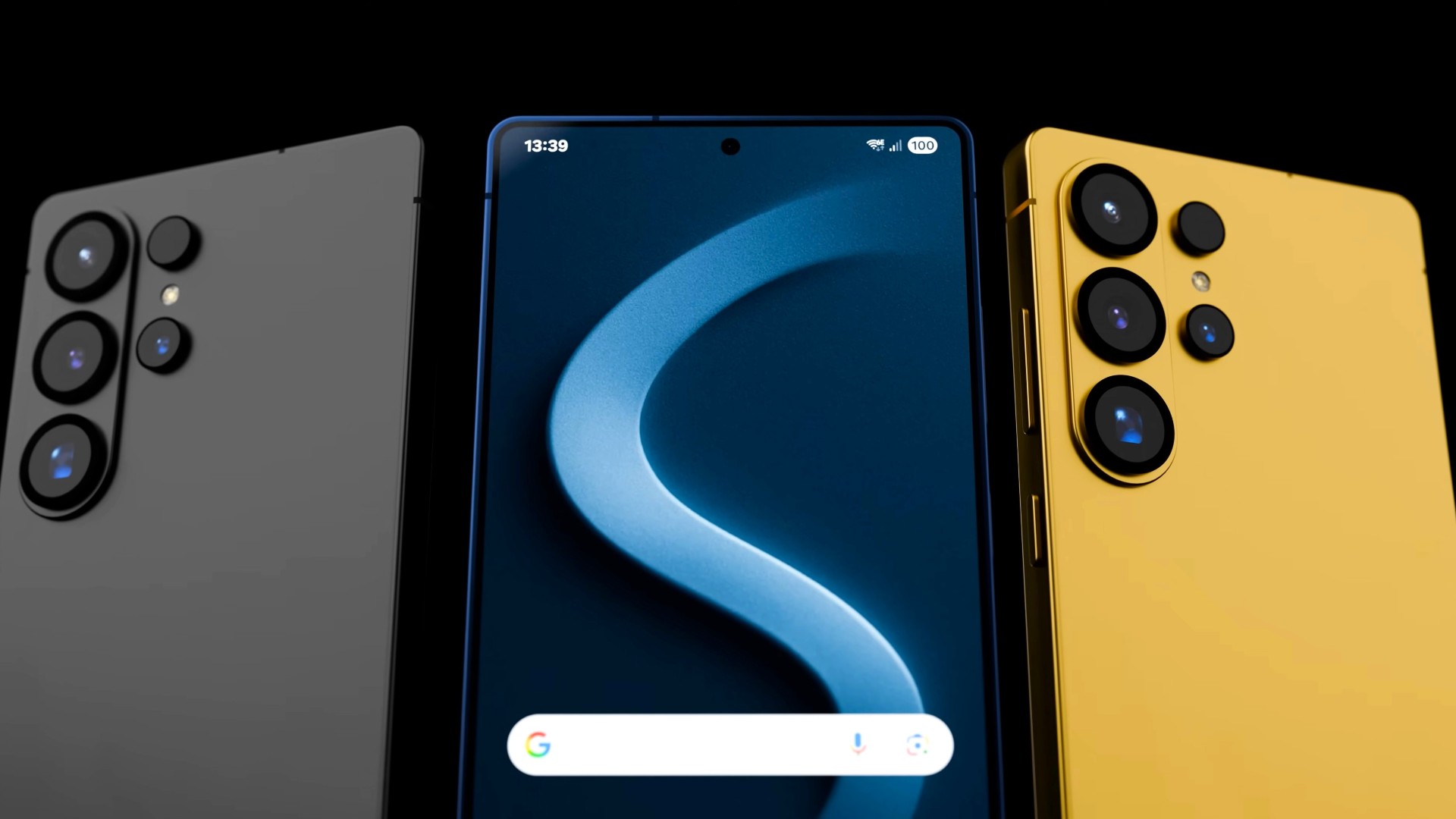
The Unchanged Camera Setup
In a move that is likely to disappoint smartphone enthusiasts hoping for a yearly camera revolution, a new report from South Korea suggests Samsung's upcoming Galaxy S26 will ship with the exact same rear camera hardware as the current Galaxy S25.
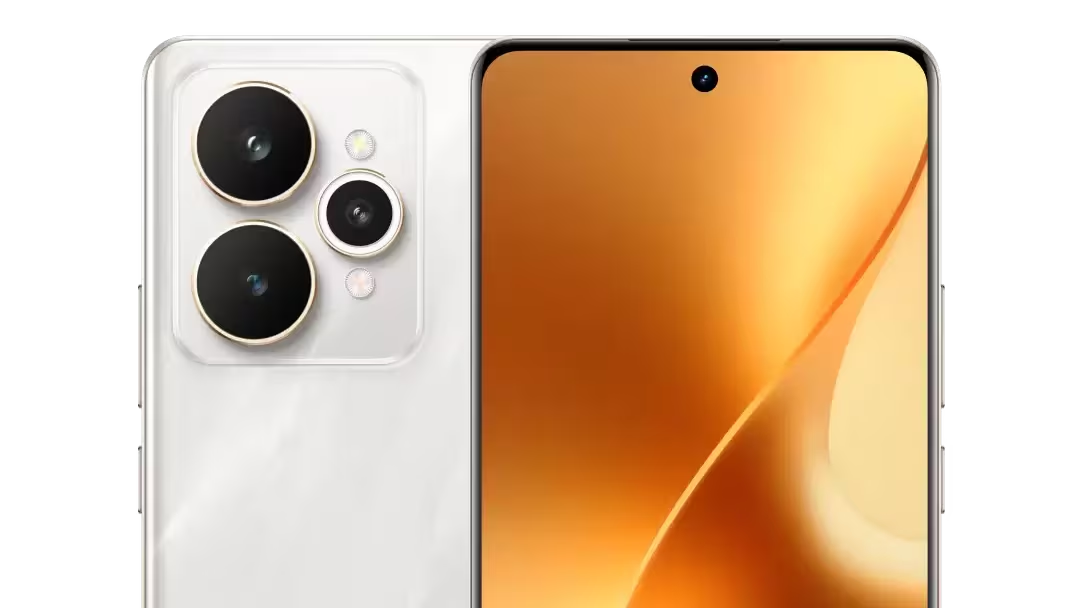
According to the report from The Elec, the standard Galaxy S26 model is expected to retain the triple-camera array from its predecessor: a 50MP main sensor, a 12MP ultrawide sensor, and a 10MP telephoto lens with 3x optical zoom. This would mark the third consecutive year that Samsung's base flagship model uses essentially identical camera hardware, following the Galaxy S23, S24, and S25.
Galaxy S25
Galaxy S26 (Reported)
Why the Sudden Change? Blame the iPhone 17
The report reveals a fascinating behind-the-scenes narrative. Samsung's initial plan was, in fact, to upgrade the Galaxy S26's camera sensors. This upgrade, however, would have come with an associated cost increase, potentially raising the phone's starting price above the crucial $799 mark.
The Competitive Pressure
Apple's launch of the iPhone 17 reportedly changed Samsung's calculus. Apple managed to introduce significant upgrades—like a 120Hz ProMotion LTPO OLED display and 256GB of base storage—while maintaining the iPhone's $799 starting price. Faced with this aggressive move from its main competitor, Samsung made a last-minute strategic pivot.
With component costs for memory (DRAM), application processors, and cameras continuing to rise, Samsung found itself in a bind. The company ultimately prioritized maintaining the competitive $799 price point over implementing new camera hardware for the standard S26 model.
Production Delays & A Focus on the Ultra
This eleventh-hour change is said to have logistical consequences. Redesigning the phone's internal components to accommodate the older camera modules is reportedly causing a delay in the vanilla Galaxy S26's production timeline.
| Galaxy S26 Ultra | Mass production expected to begin in December 2025. |
| Galaxy S26 & S26+ | Mass production now reportedly pushed to early 2026. |
This staggered production schedule underscores Samsung's strategic focus on its premium Ultra model, which is its best-selling flagship and is still expected to receive camera improvements, such as a larger sensor for its telephoto lens or a wider aperture. The standard and Plus models appear to be taking a backseat in terms of hardware innovation for the upcoming generation.
What This Means for Buyers
For potential customers, this report paints a clear picture of the 2026 flagship landscape:
- For Galaxy S25 Owners: There may be little compelling hardware reason to upgrade to the base S26 model if the cameras are identical. Improvements would likely be confined to the new chipset (Snapdragon 8 Elite Gen 5 or Exynos 2600) and software (One UI 8.5).
- For Value-Conscious Buyers: The decision successfully holds the line on price, which is a positive. However, it also means the phone may feel less "new" compared to its predecessor.
- For Photography Enthusiasts: All attention will now shift to the Galaxy S26 Ultra, which is still rumored to receive meaningful camera upgrades, such as a potential 200MP telephoto sensor or a brighter f/1.4 aperture for its main camera.
The reported delay also makes a February 2026 launch for the Galaxy S26 series more likely, a slight shift from Samsung's typical late-January timeline.
While final specifications won't be confirmed until Samsung's official unveiling, this report suggests that in the fierce battle against Apple, Samsung is choosing to wage war on the front of price and value for its mainstream flagship, even if it means pausing the camera hardware arms race for another year.