The New Deal: Approved Sales with a U.S. Cut
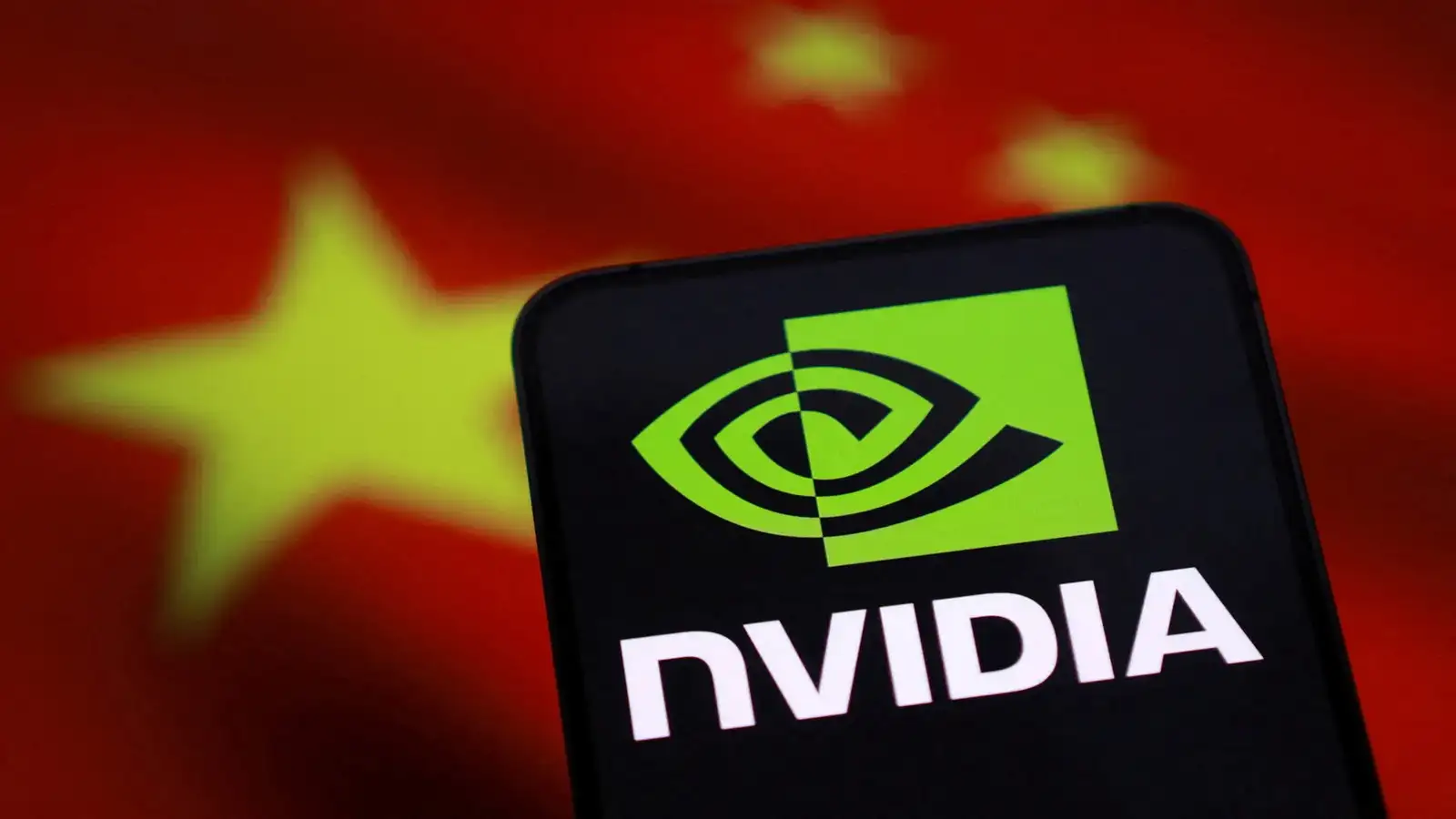
The announcement, made via a post on Truth Social, outlines a new framework for U.S.-China tech trade. President Trump stated that the sales would proceed "under conditions that allow for continued strong National Security" and are intended to support American jobs and manufacturing.
A defining and unusual feature of the deal is its financial structure. President Trump indicated that "25% will be paid to the United States of America," implying that a quarter of the revenue Nvidia earns from these Chinese sales will go to the U.S. Treasury. This follows earlier agreements this year where Nvidia and AMD agreed to pay the U.S. government 15% of revenues from chip sales to China.
This revenue share is a central component of the new export approval.
Clarity on the Chips: H200 In, Blackwell & Rubin Out
The policy change is specifically targeted. While it opens the door for the H200, it maintains strict controls on Nvidia's most advanced and next-generation technology.
| Nvidia Chip Series | Status for China Export | Notes |
|---|---|---|
| H200 Tensor Core GPU | APPROVED | Can be sold to "approved customers" vetted by the Department of Commerce. |
| H100 Tensor Core GPU | REMAINS BANNED | Still subject to export controls; was central to a major smuggling bust. |
| Blackwell Series | NOT PART OF DEAL | Nvidia's most powerful current AI chips are explicitly excluded. |
| Rubin Series | NOT PART OF DEAL | Nvidia's next-generation architecture remains restricted. |
The H200 is Nvidia's second-most-powerful AI chip, vital for training and running large AI models. Analysts note that while it is not the absolute cutting-edge (being roughly 18 months behind Nvidia's most advanced offerings), it is "a lot more advanced than what China can access at scale today" and will enhance China's AI capabilities.
A Day of Contrasts: Policy Shift Amidst Smuggling Crackdown
In a striking coincidence, the Trump administration's policy announcement was made on the same day the U.S. Department of Justice unveiled the results of "Operation Gatekeeper," a major bust of a China-linked AI tech smuggling network.
The Smuggling Operation
The DOJ announced the seizure of over $50 million in advanced Nvidia GPUs (H100 and H200 models) destined for China and the arrest of two Chinese nationals. The operation involved a complex scheme where conspirators used straw purchasers, removed Nvidia labels, re-labeled chips with a fake company name ("SANDKYAN"), and falsified shipping documents to misclassify the high-end GPUs as generic computer parts.
This created a stark contrast. While one arm of the government was dismantling a network illegally smuggling these exact chips, another was creating a legal pathway for their sale. Assistant Attorney General John Eisenberg emphasized the chips' importance, stating: "The country that controls these chips will control AI technology; the country that controls AI technology will control the future." This underscores the high-stakes national security debate underlying the policy shift.
The Rationale and the Reaction
The decision appears driven by multiple factors, including direct lobbying from Nvidia CEO Jensen Huang, economic calculations, and a strategic reassessment.
- Economic & Strategic Benefit: The administration was convinced that sales would generate significant revenue for both chip companies and the U.S. government via the 25% share. There is also a belief that allowing controlled sales could dissuade China from accelerating its own, independent chip ecosystem.
- Industry Support: Nvidia applauded the decision, stating it "strikes a thoughtful balance that is great for America". AMD also commended the move, with a similar approach expected for other U.S. chipmakers.
- Criticism and Concern: The move has drawn bipartisan criticism. Senator Mark Warner (D-VA) called it a "haphazard and transactional approach" that lacks a coherent China competition strategy. National security experts warn that even the H200, while not the very latest, will significantly boost China's AI capabilities, which have direct military applications.
What Happens Next?
The Commerce Department must now finalize the rules for implementing this new policy. All sales will be to "approved customers" who have been vetted, a process intended to mitigate national security risks.
The announcement has ignited a debate in Congress, with members from both parties considering legislative actions to reclaim authority over export controls. The future of U.S. technology policy toward China will depend heavily on how this balance between economic gain, technological competition, and national security is managed in the coming months.
For the global tech industry, this represents a cautious reopening of a critical market, but within a new, more transactional framework where the U.S. government is a direct financial beneficiary of corporate success in China.