Overview
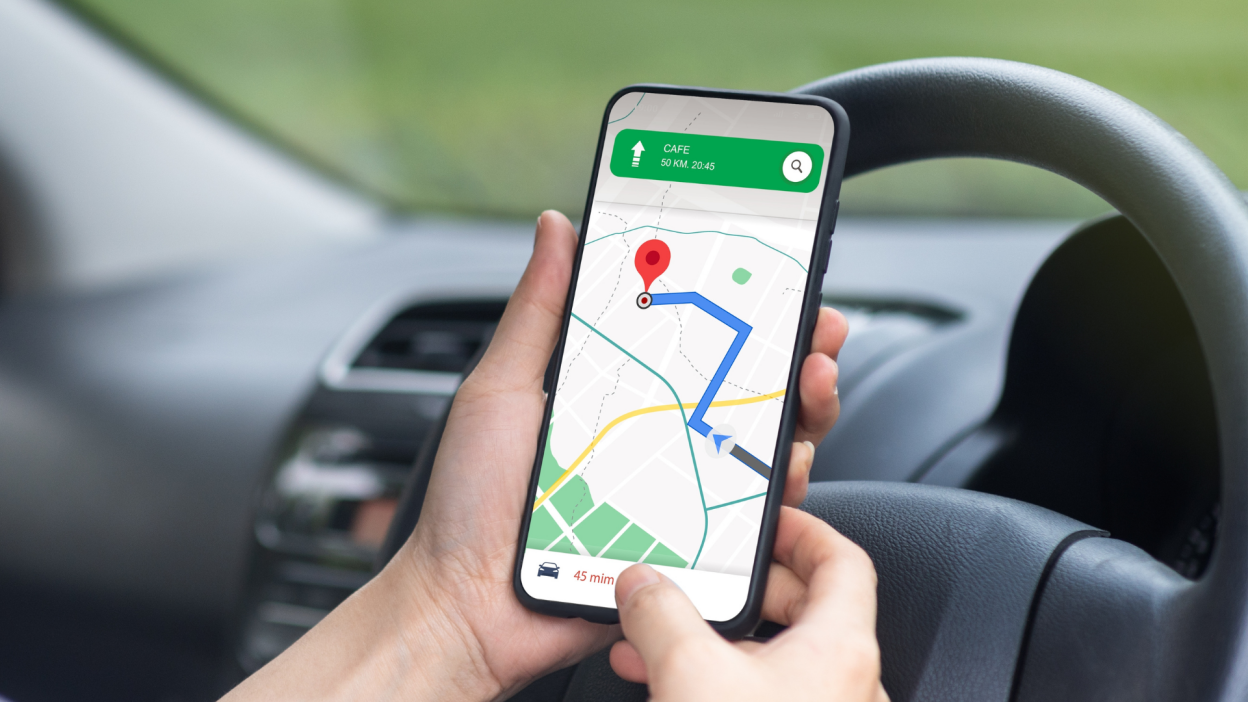
Google Maps is undergoing significant changes to its navigation experience, with several familiar features disappearing from the app. Android users are reporting the removal of in-car media playback controls, while Google continues to phase out social features in favor of expanded AI capabilities through Gemini integration.
The changes come as Google shifts its strategy for the navigation app, replacing existing functionality with new AI-powered tools. While some users welcome the advanced capabilities, others are frustrated by the removal of features they relied on during daily commutes and road trips.
What's Changing in Google Maps
In-Car Media Playback Controls
The handy media controls that allowed users to manage music and podcasts directly from the navigation interface have disappeared from Android devices.
- Toggle for "Show media playback controls" removed from Settings
- "Default media app" selection option no longer available
- No built-in alternative for media control during navigation
- Users must now switch between apps to control playback
Social Following Features
Google continues to scale back social elements, removing the ability to follow other users and businesses within the app.
- Ability to follow individual contributors removed
- Business following feature discontinued
- All follower data and following relationships deleted
- "For You" tab functionality reduced
Gemini AI Integration
Google is replacing traditional features with advanced AI capabilities through Gemini integration across the navigation experience.
- Conversational, hands-free driving experience
- Multi-step task handling during navigation
- Voice-controlled incident reporting
- Landmark-based navigation directions
- Calendar integration and smart assistance
User Reactions and Impact
The removal of media controls has sparked significant confusion and frustration among Android users who relied on this feature for safe, integrated media control during navigation. Many users report that having to switch between apps to control music presents a safety concern while driving.
Platform Discrepancy Concerns
- Android users have lost media controls completely, with no built-in alternative
- iOS users still retain media playback controls for now, though only Apple Music and Spotify are supported
- Cross-platform inconsistency creates confusion for users who switch between devices
- The removal appears deliberate rather than a temporary bug, given its consistency across Android versions
Current Workarounds
- Separate app controls - Users must rely on individual music app interfaces
- Voice commands - Basic "play/stop" commands still work through Google Assistant/Gemini
- Physical controls - Steering wheel or headset controls remain functional
- Third-party apps - Some users exploring alternative solutions for integrated controls
Recent Google Maps Changes Timeline
Google removed Assistant Driving Mode from the navigation experience, which also eliminated that mode's support for music apps.
Google confirmed it would remove the ability to follow other users and businesses in September 2025.
Media playback controls disappear from Android devices, with the toggle removed from navigation settings.
Gradual rollout of Gemini AI features continues, replacing some of the removed functionality with AI-powered alternatives.
Google's Shifting Strategy
Transition to AI-First Approach
- Gemini replacement - Google is systematically replacing Assistant with Gemini across Android
- Feature consolidation - Removing lesser-used features to focus on AI-powered core functionality
- Platform simplification - Reducing social features that weren't widely adopted
- Voice-first future - Emphasizing conversational AI over manual controls and social interactions
What to Expect Next
- Expanded Gemini capabilities - More AI features rolling out to replace removed functionality
- Possible media control return - Potential reintroduction through Gemini-based Driving Mode
- Continued platform evolution - More changes as Google refines its AI-first navigation strategy
- User adaptation - Transition period as users adjust to new ways of interacting with the app
Conclusion
Google Maps is in a period of significant transition, with familiar features like media controls and social following capabilities being removed as the app shifts toward an AI-powered future with Gemini integration. While these changes bring advanced conversational capabilities and hands-free operation, they also eliminate functionality that many users found valuable and convenient.
The removal of media controls from Android devices particularly impacts the driving experience, forcing users to rely on alternative methods for music and podcast control during navigation. As Google continues to evolve Maps into a more AI-centric platform, users should expect further changes to the app's interface and functionality. The key question remains whether the new AI-powered features will provide sufficient value to justify the removal of established, practical tools that users have come to depend on.